Future-proofing for AI, one student at a time
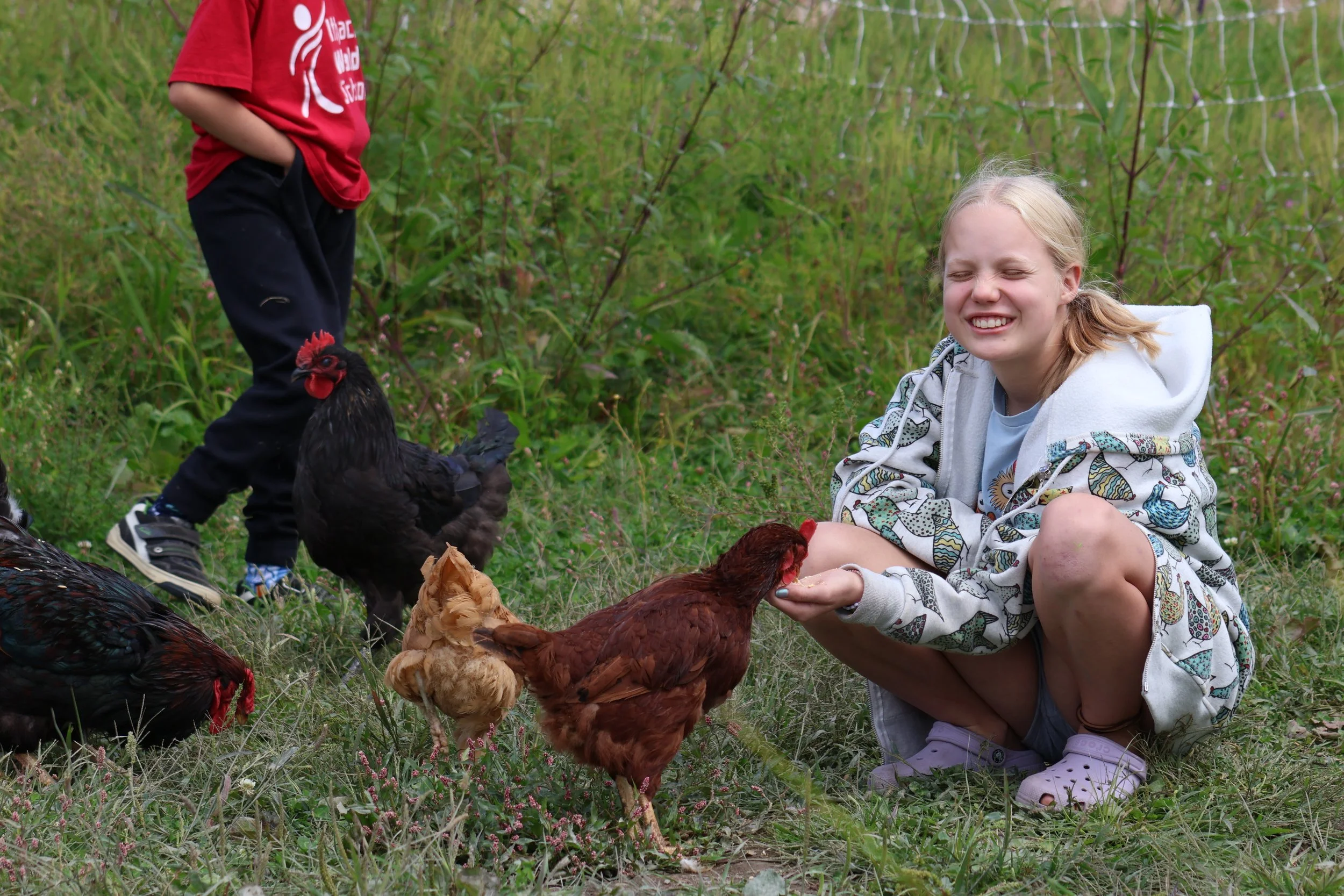
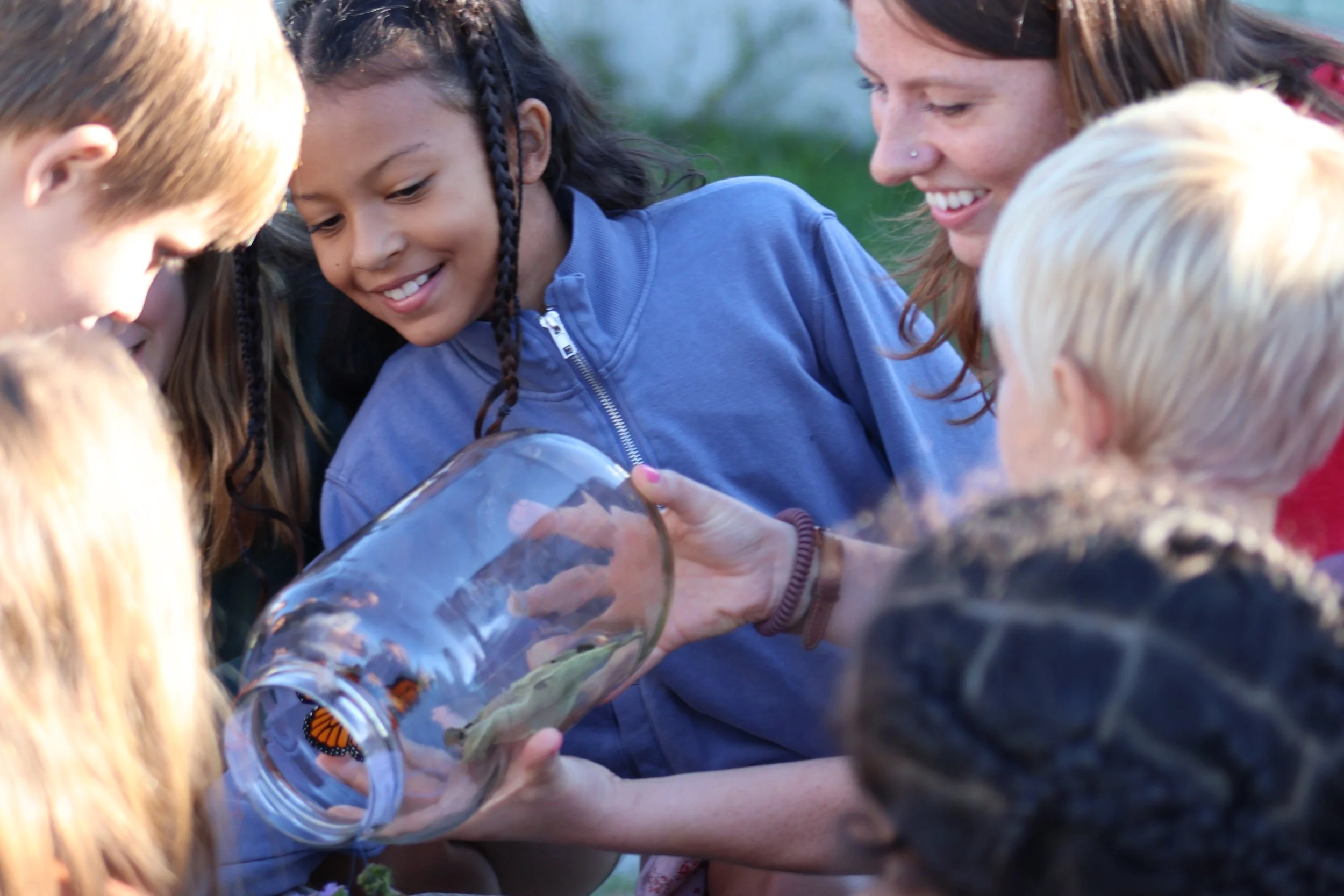
Students incubate eggs, brood chicks, care for hens, and collect eggs for our farm-to-school lunch program.
According to leading economists, future-proofing against AI means leaning into the skills that AI can’t replicate. Empathy, creativity, curiosity, and resilience are more crucial than ever. Waldorf Education instills these uniquely human qualities by prioritizing collaboration, a broad range of creative skills, an intentional approach to tech, time in nature, hands-on projects, and so much more. Waldorf graduates are resilient, adaptable, and ready to make a difference in the world.
Prioritizing time in nature
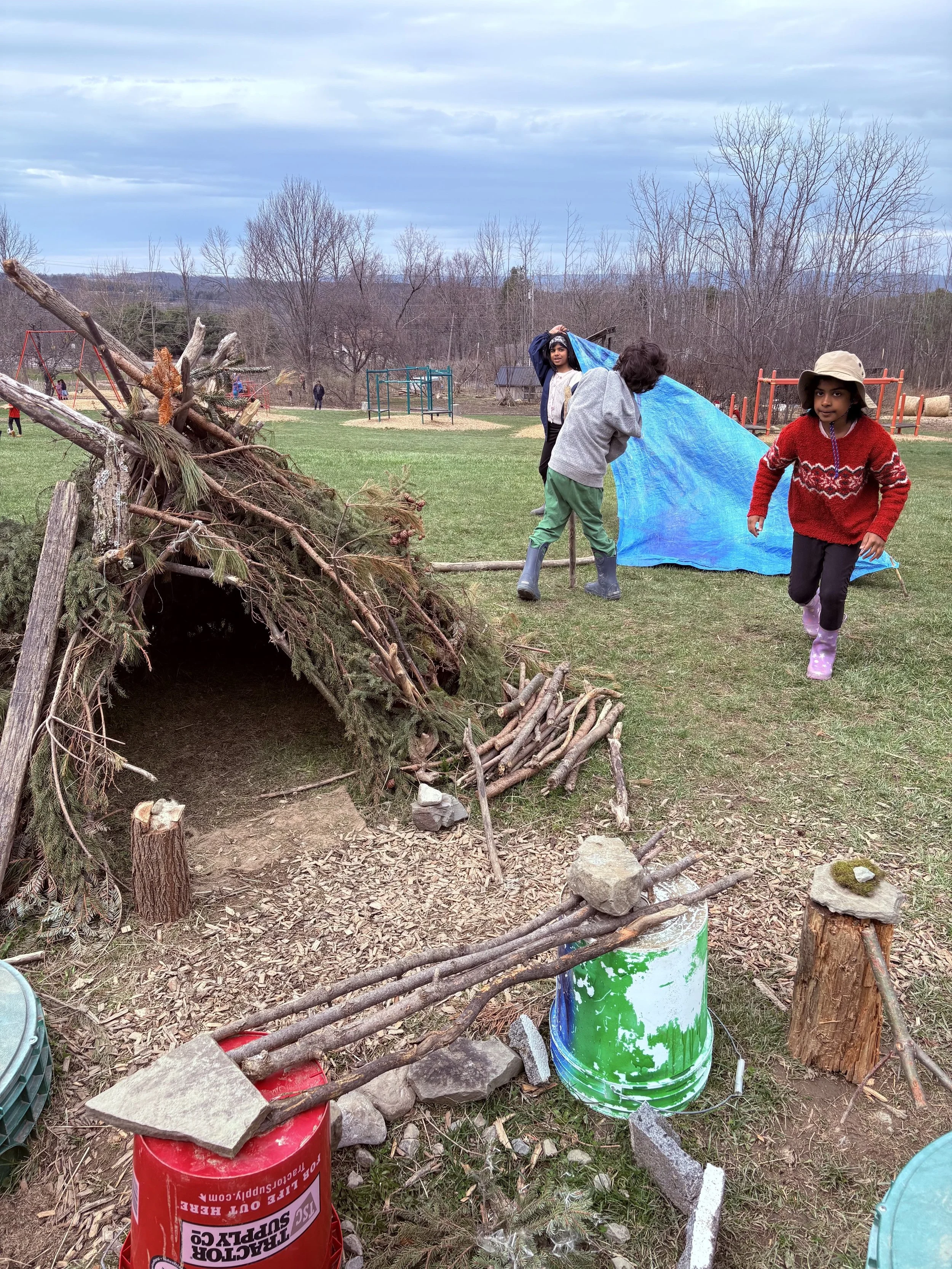
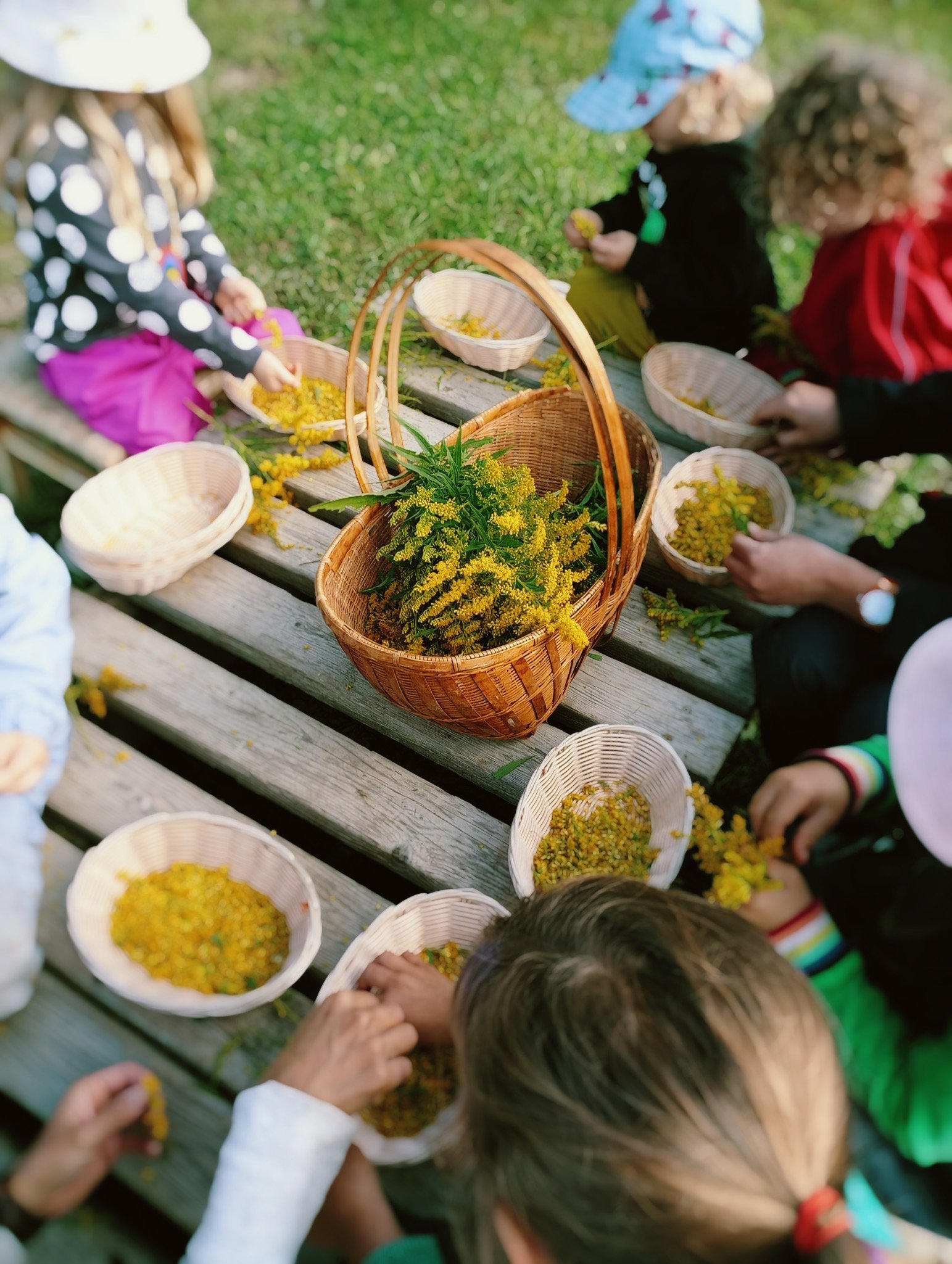
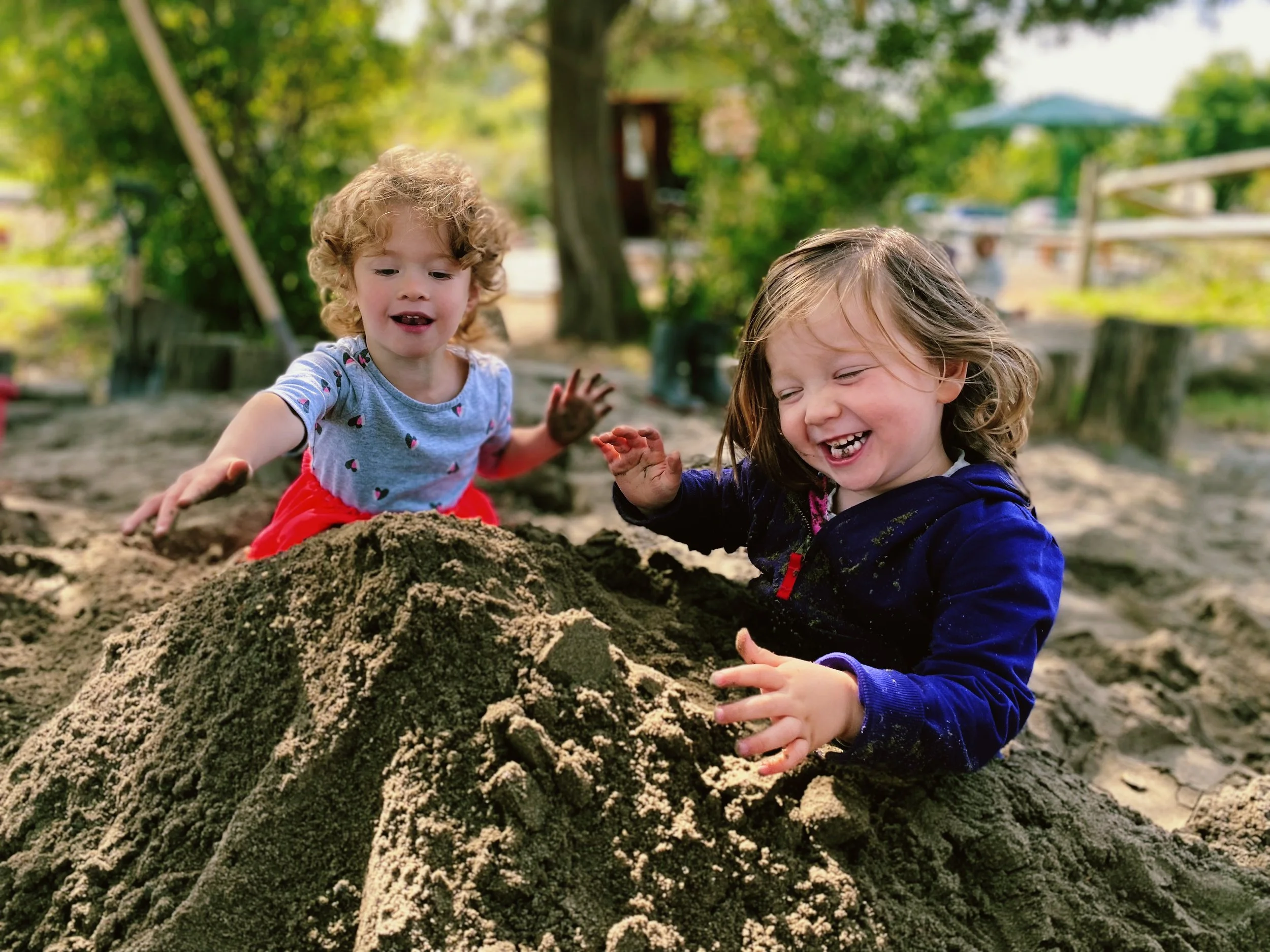
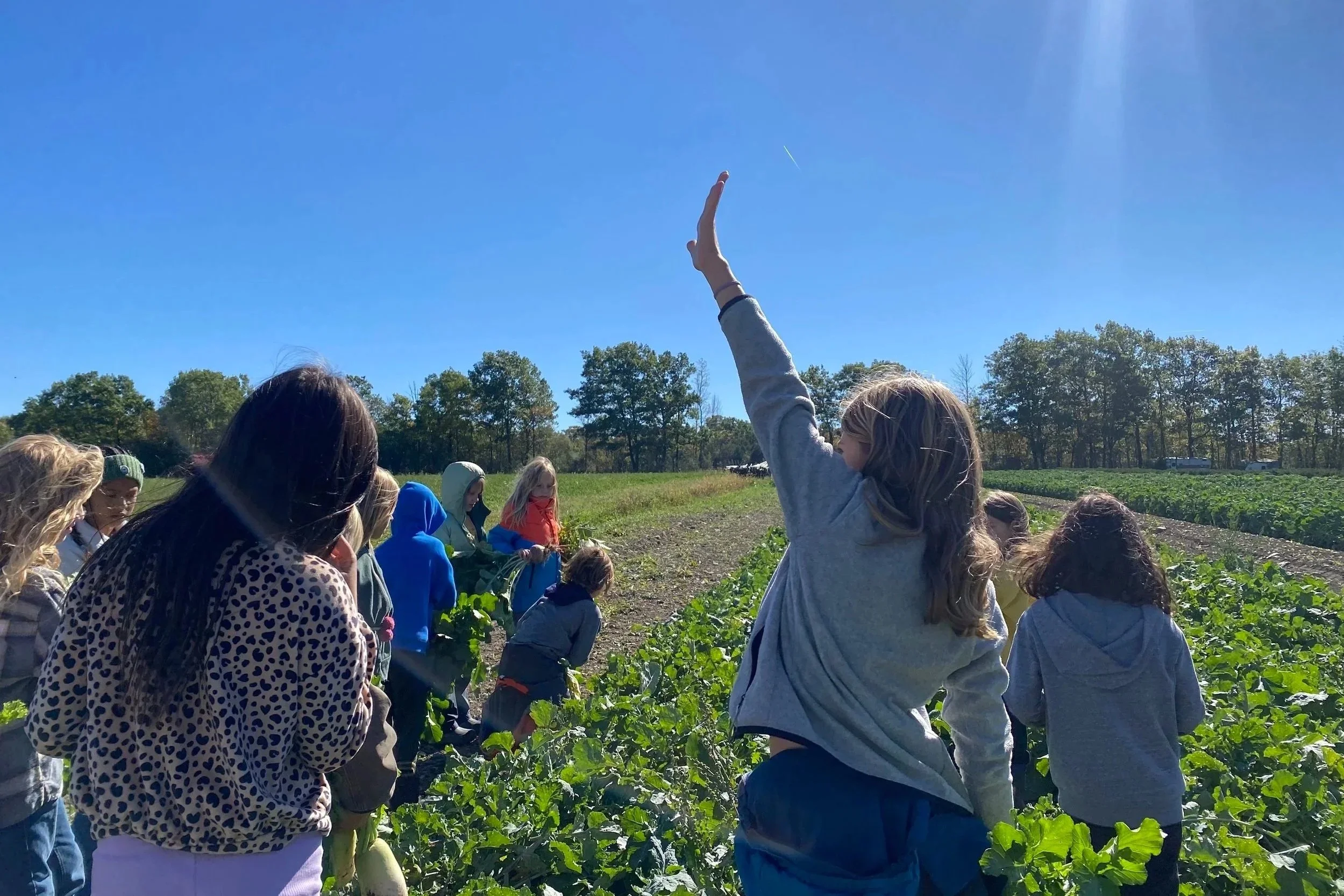
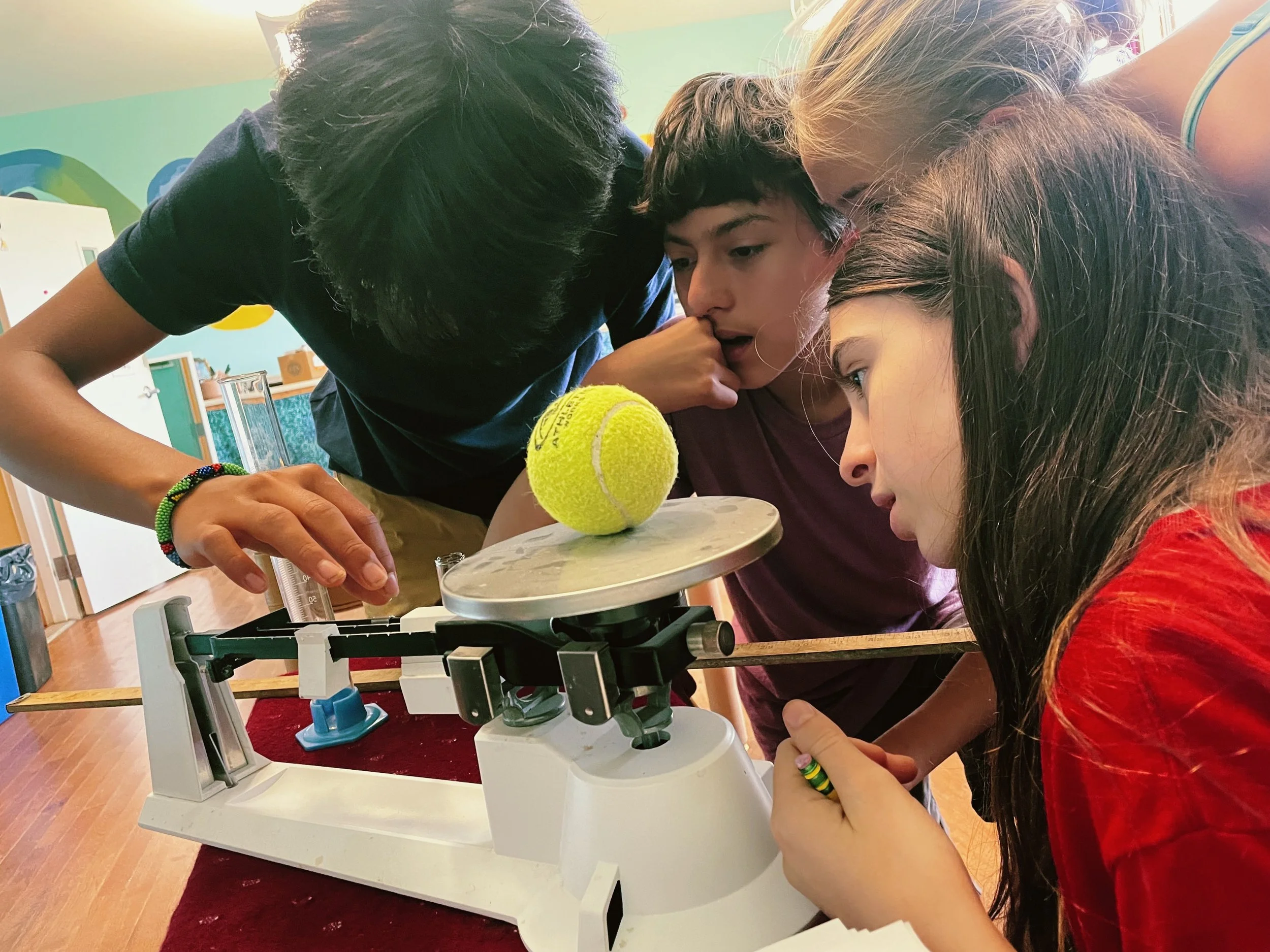
You might already know that our preschoolers and kindergarteners spend at least half of their day outside. Our students in grades 1-8 get outside a lot, too! They have 30min for snack and recess, and 1 hour for lunch and recess… plus farm class twice per week is outside, and movement & games (PE) is twice per week outside. Teachers bring classes outside for physics demonstrations of light, sound, and fire; for natural dye projects in chemistry; for nature walks and botany lessons; to build shelters during a social studies unit; to make maps during a geography block; and for service projects like cleaning up our adopted highway.
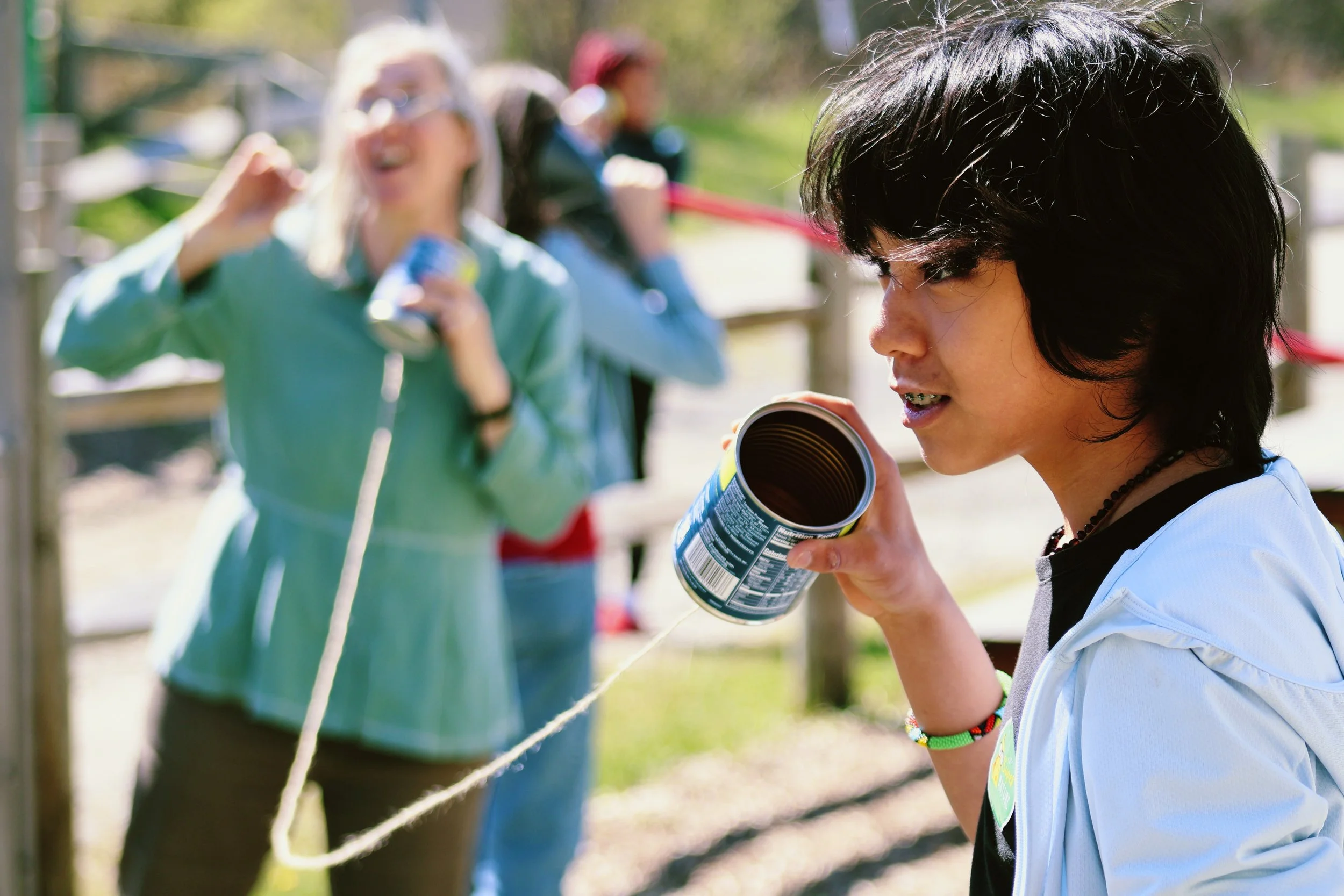
How many kids in the 21st century have experimented with tin can telephones to understand the physics of sound?
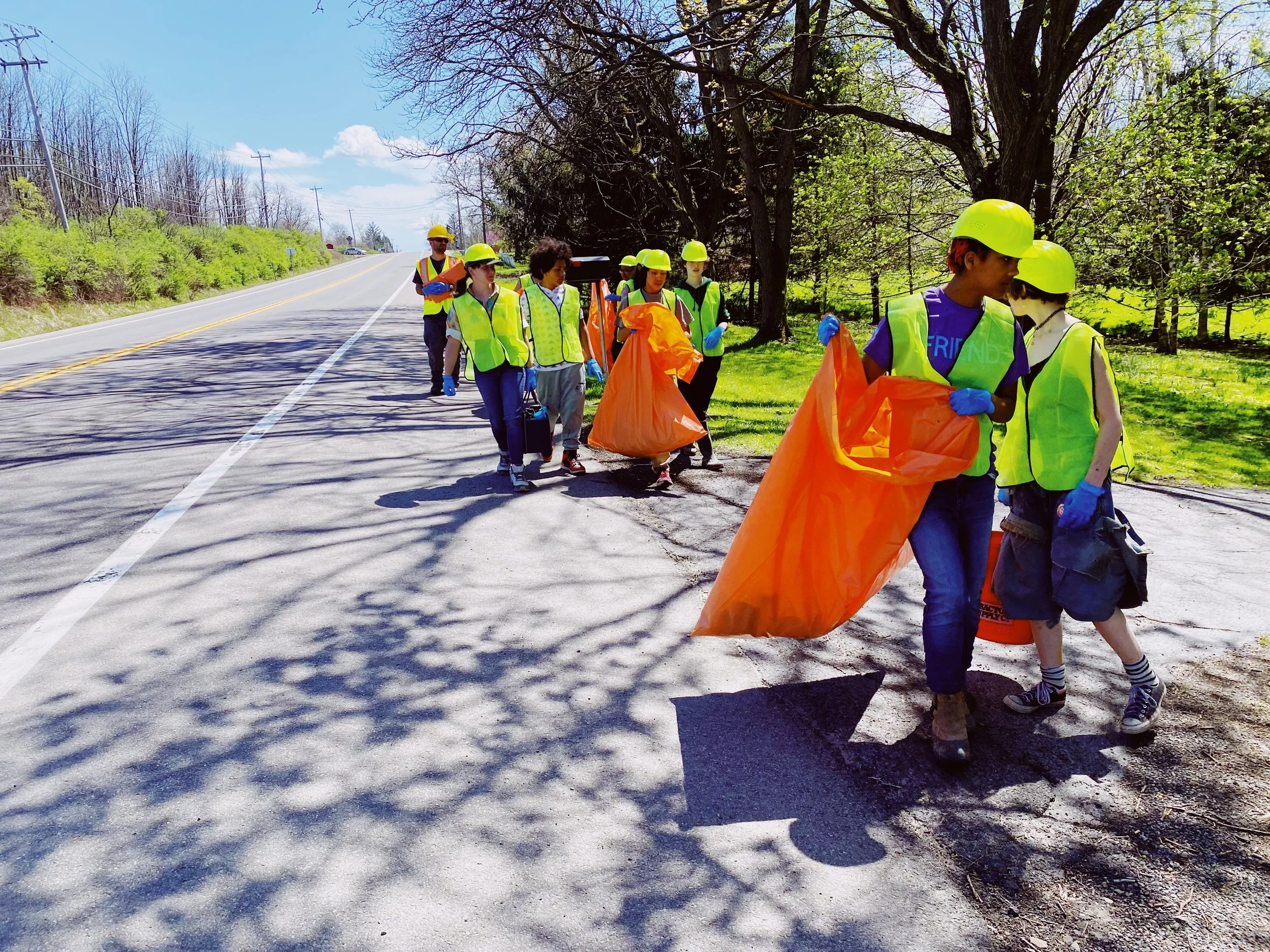
Our middle school students clean up our roadside twice per school year as part of their Farming & Land Stewardship class.
Resilience and Discomfort Tolerance: cornerstones for success in a world plagued by convenience and personal preference
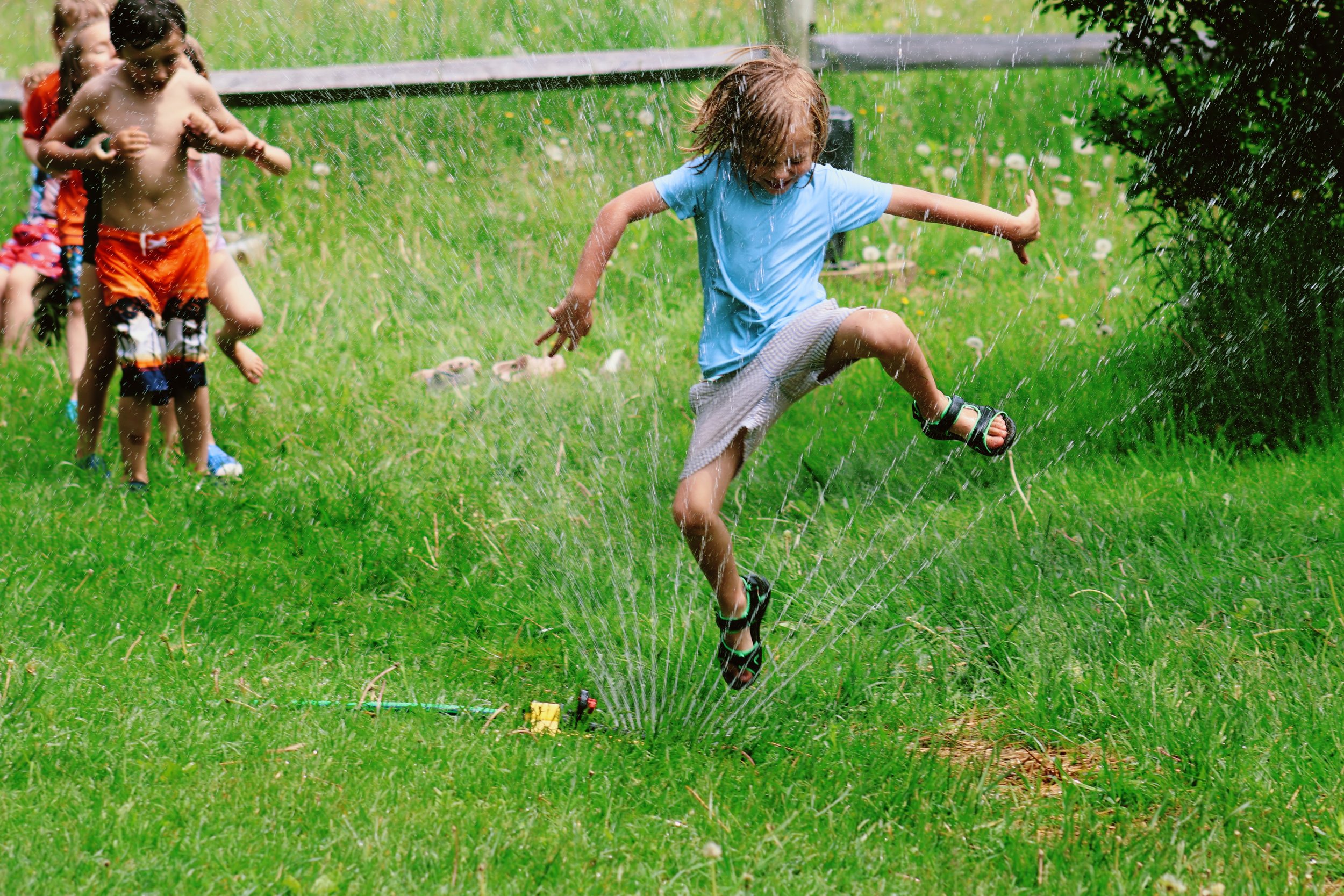

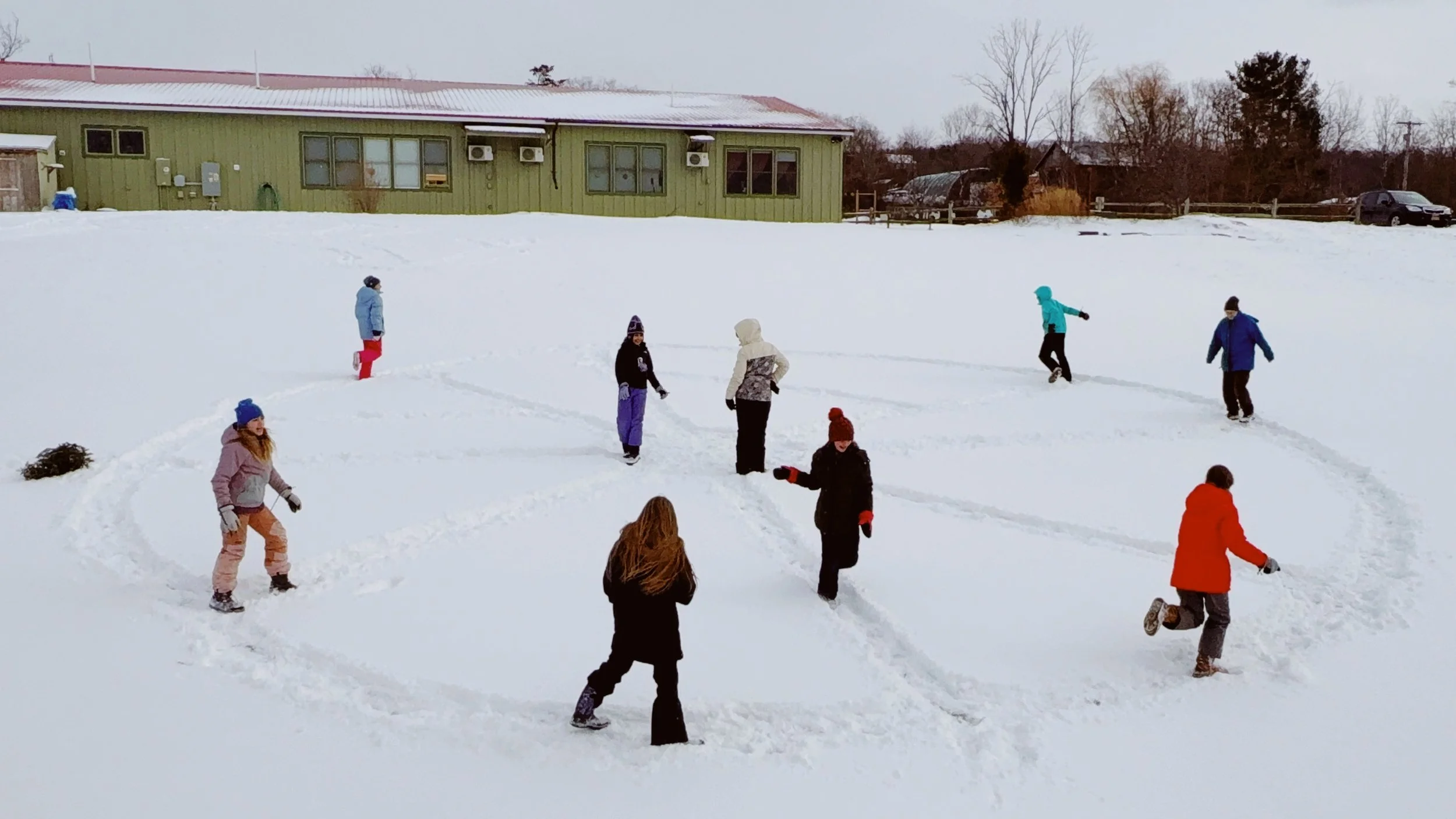
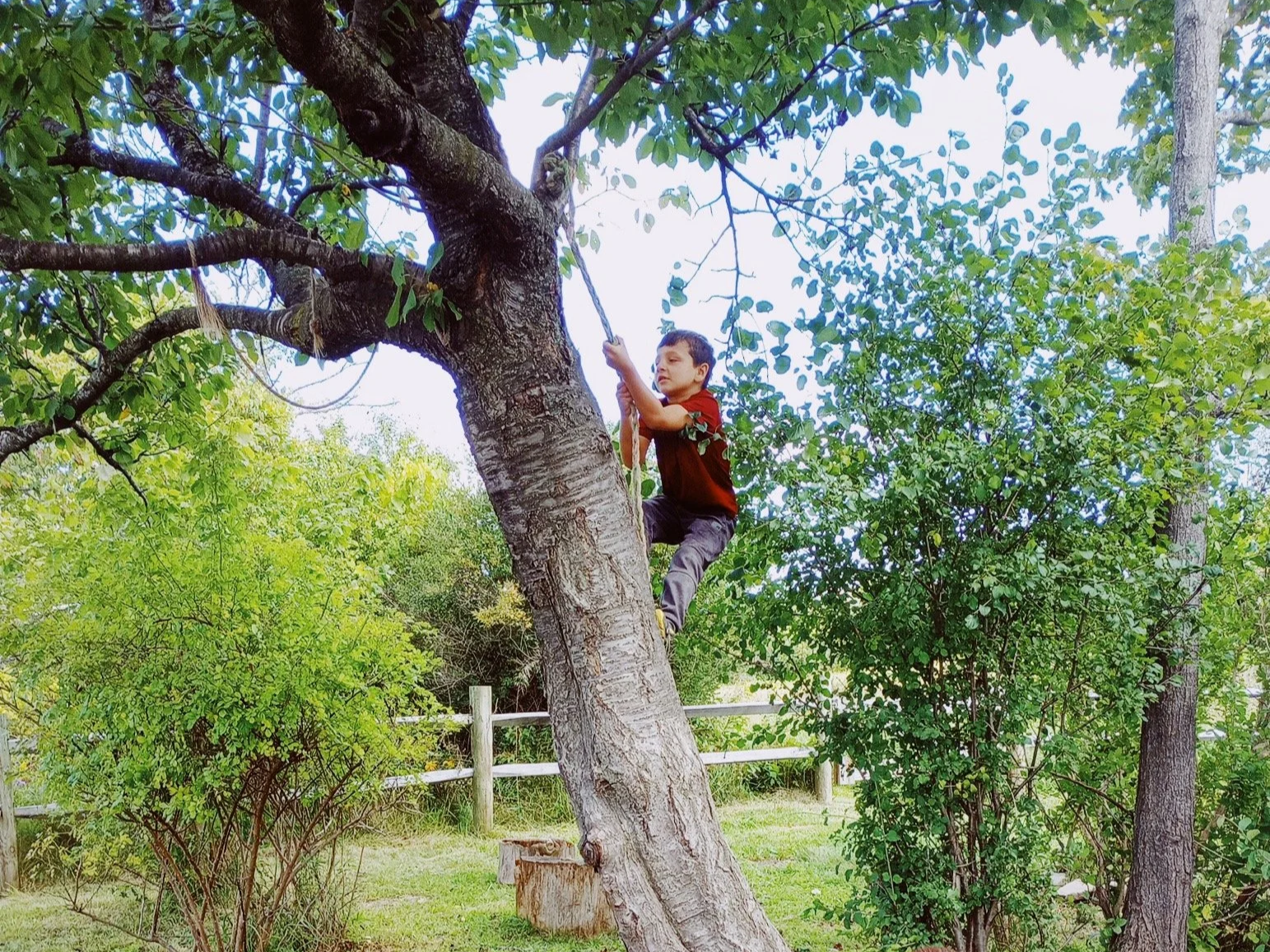
Being outside in all weather, and appreciating nature in all seasons… this is where we plant the seeds for future leaders. Finding joy and belonging in nature as a preschooler may inspire a future climate scientist to take on some of the world’s biggest problems.
Our “no bad weather, only bad clothing” philosophy also helps develop “discomfort tolerance”: the ability to self-regulate in less-than-ideal situations, and even find some joy and purpose there.
Our modern world offers near-constant opportunities to escape discomfort—we create our own curated playlists, check our phones whenever we’re bored, avoid people by texting instead of calling. We are in danger of excusing ourselves entirely out of the human experience!
Grit, work ethic, perseverance, confidence, responsibility, empathy—these things come from interacting with the real world, in all its opportunities and challenges.
Collaboration and Community
As parents and educators, we know that developing qualities like confidence, self-control, and resilience can have a profoundly positive effect on student achievement. We know that empathy, creative thinking, and the ability to effectively communicate may soon be among the most sought-after skills in the job market. And we know that meaningful relationships are the foundation for a meaningful life.
Can qualities like kindness and compassion be taught? Does social-emotional skill-building belong in the classroom? Yes. At Ithaca Waldorf School, we place tremendous value on human relationships and community building. “We teach our students that they're not just kids, they are human beings. Their needs and thoughts and ideas are important,” says our 3rd grade class teacher. “We also teach them how to work with others and have genuine care and compassion for other people's ideas.”
The Play Block:
intentional casting for self-discovery
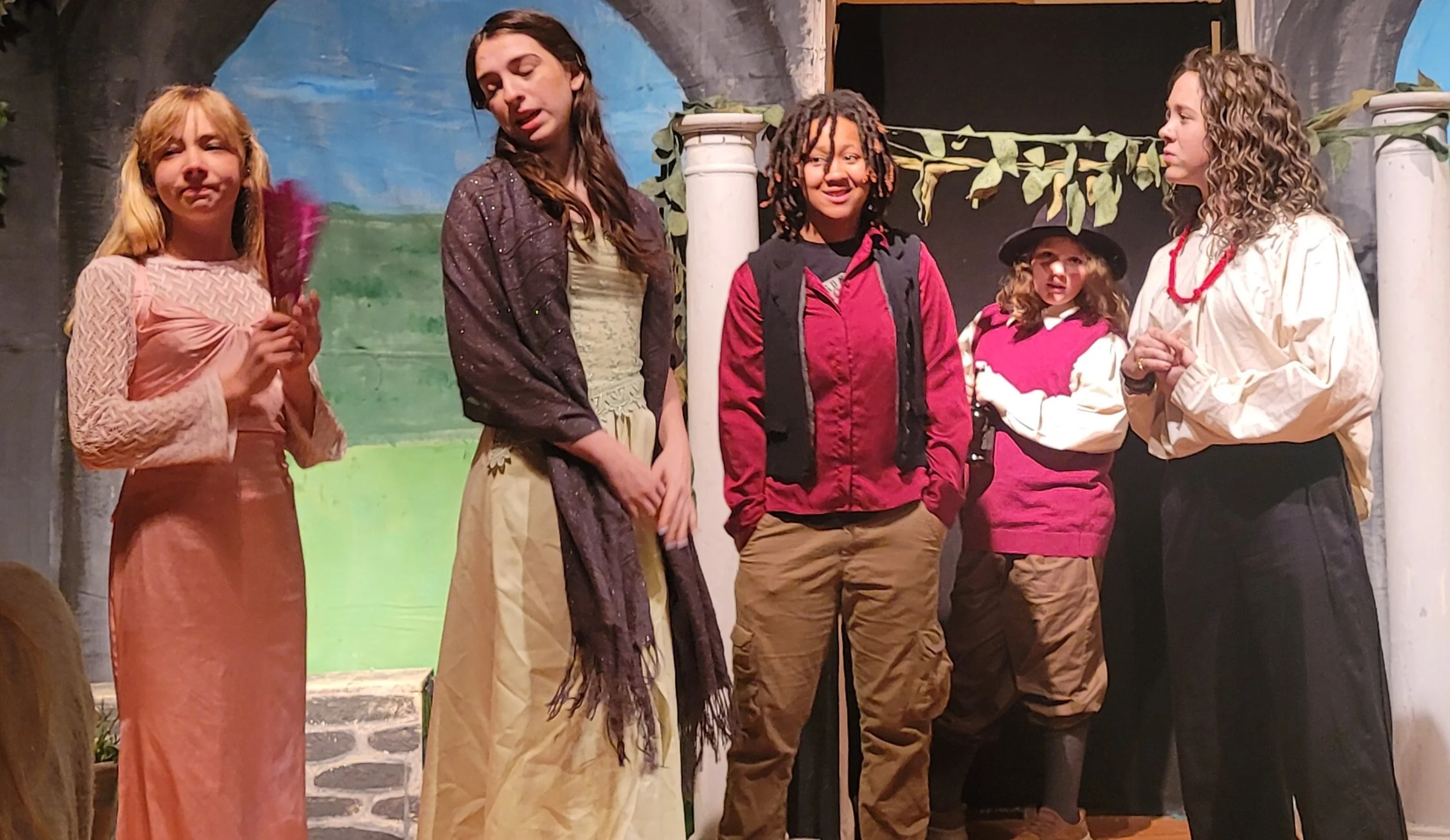
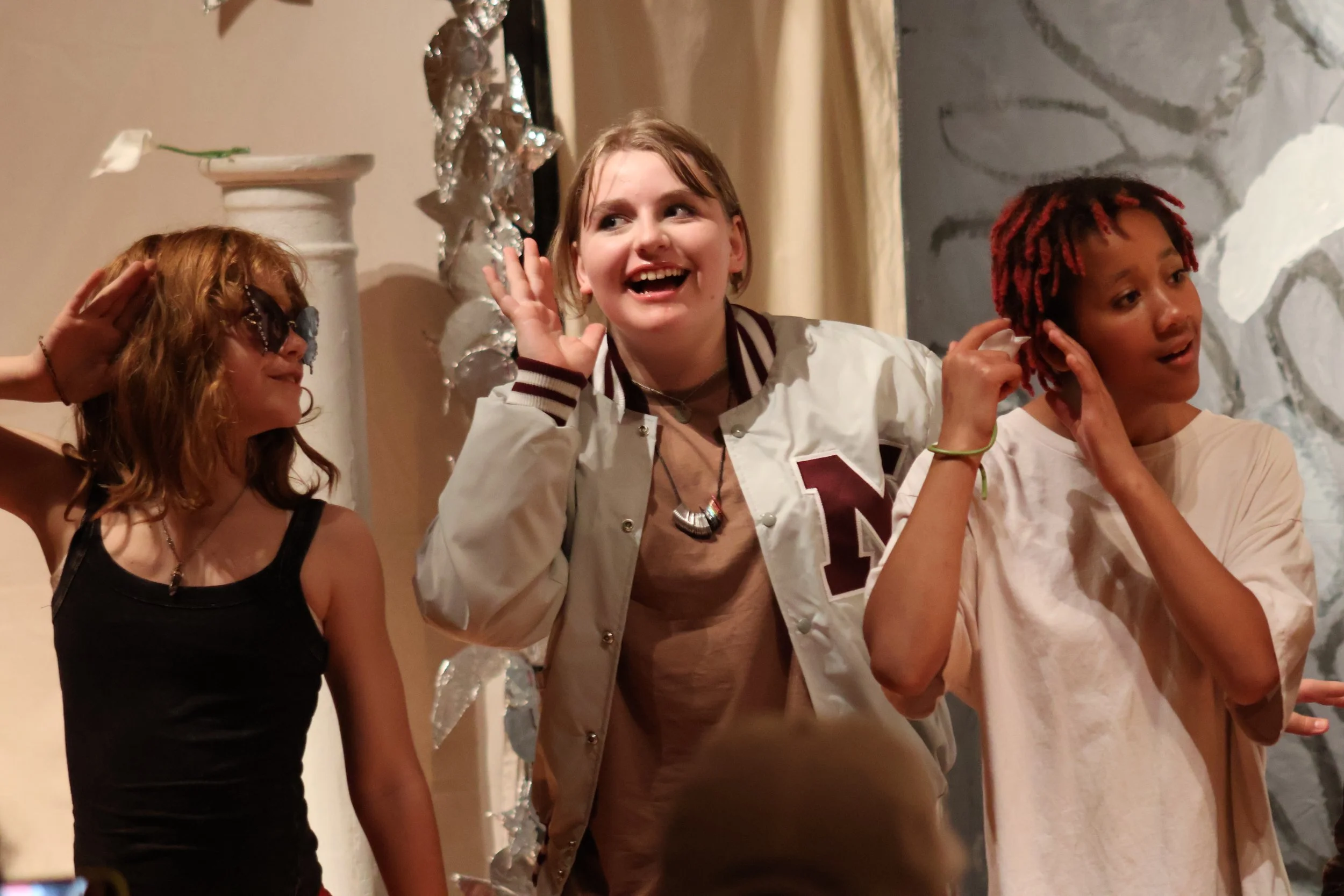
Each year, each classroom (grades 1-8) devotes one 4-week block of their year to the production of a class play. In first grade, the set is simple, the audience is small, and most of the lines are performed in chorus. By middle school, our students are tackling Gilgamesh, Shakespeare, and full-length musicals, for larger audiences in our Great Room, outfitted with stage lighting and elaborately hand-painted backdrops.
The teachers cast these plays with the intention of pulling something new out of the ensemble of students, something that will surprise everyone, and see facets of our community we haven’t seen before. A quiet student with hidden talent gets the lead role; the people-pleaser is cast as the villain; and we watch as the whole class experiences a new, vulnerable side of the cool kid who sits in the back row.
This is ensemble work at its best. We’re cultivating cohorts of students all year to reach this pinnacle, through our string instrument ensembles, through planning class trip budgets and fundraisers during Money Math, through group projects on ancient cultures, and through dialog work in Spanish class.