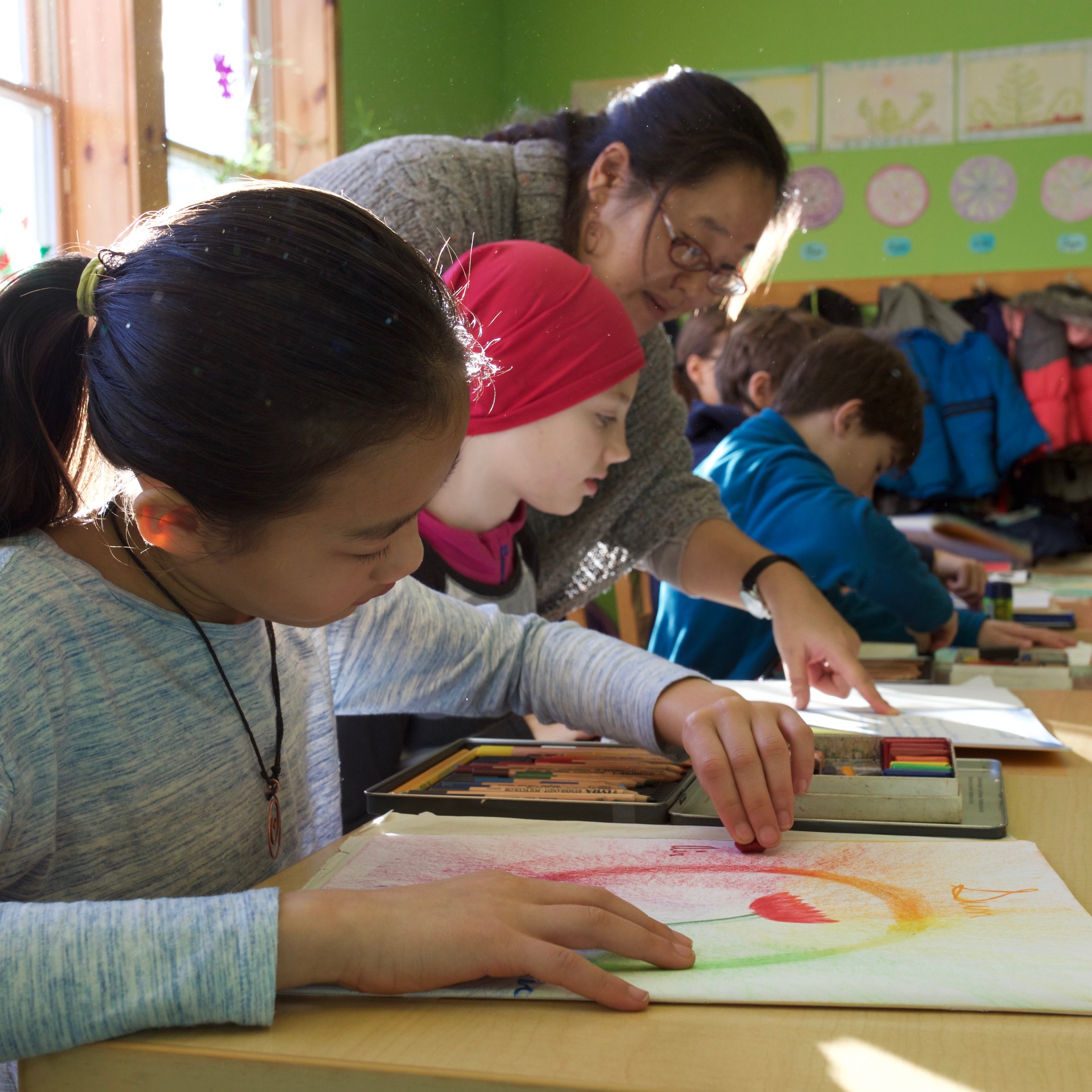

Waldorf curriculum is not a static canon—rather, it is a framework of suggested themes, mapped on the natural stages of child development.
Teachers are free and encouraged to fill the framework with material that provides both “mirrors” and “windows” for students (reflections of their own culture and identity, as well as views into others’).
Although Waldorf education originated in Germany, and many Waldorf traditions have Euro-centric roots, 100+ years of teaching and research by an international college of teachers has vastly broadened (and continues to broaden) the scope of our literature, history, and geography curricula, the festival life of our schools, and the social-emotional work with do with students on community building and identity formation.
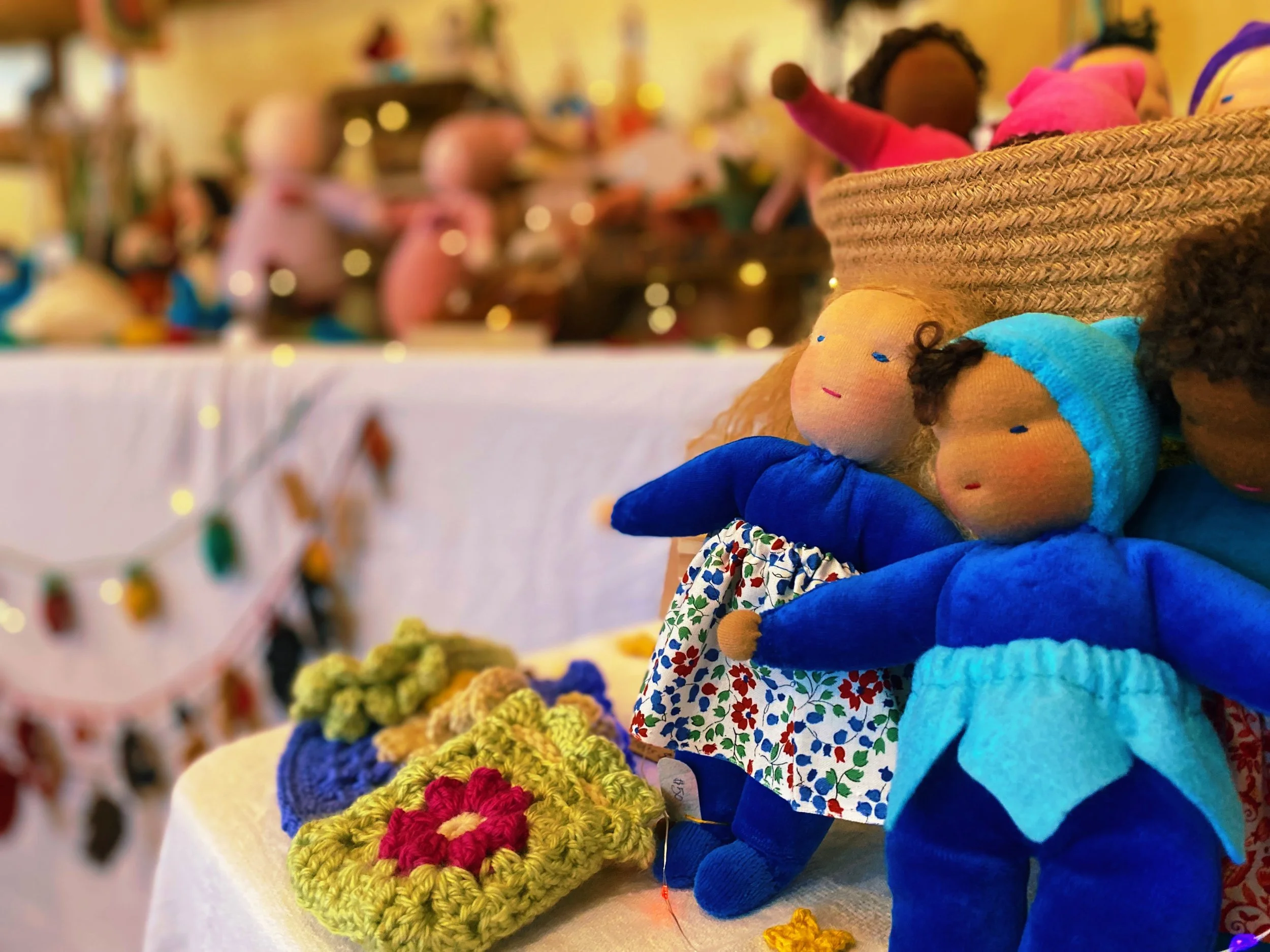
In our Early Childhood program for 3-6-year-olds, teachers take care to bring fairy and folk tales from all over the globe. Teacher add new stories from diverse cultures to their repertoire each year. Many of the older stories have characters whose family structure and gender can be changed to represent the diversity seen in the classroom and in our larger world.
Puppets and dolls in the classroom have both diverse and neutral features: the diversity reflects the plurality of our world; the neutrality allows any child to imagine any character, any emotion, any story.
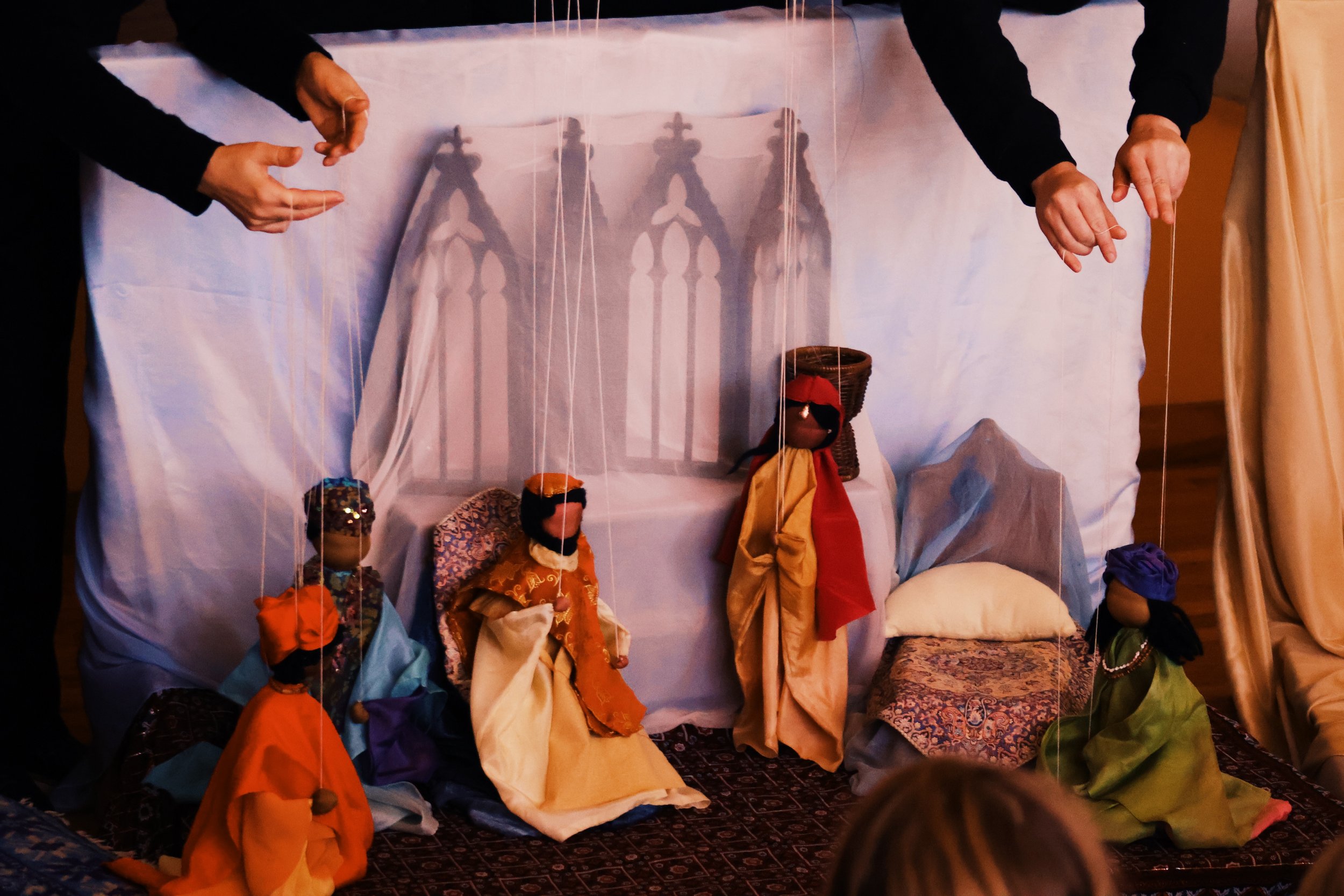
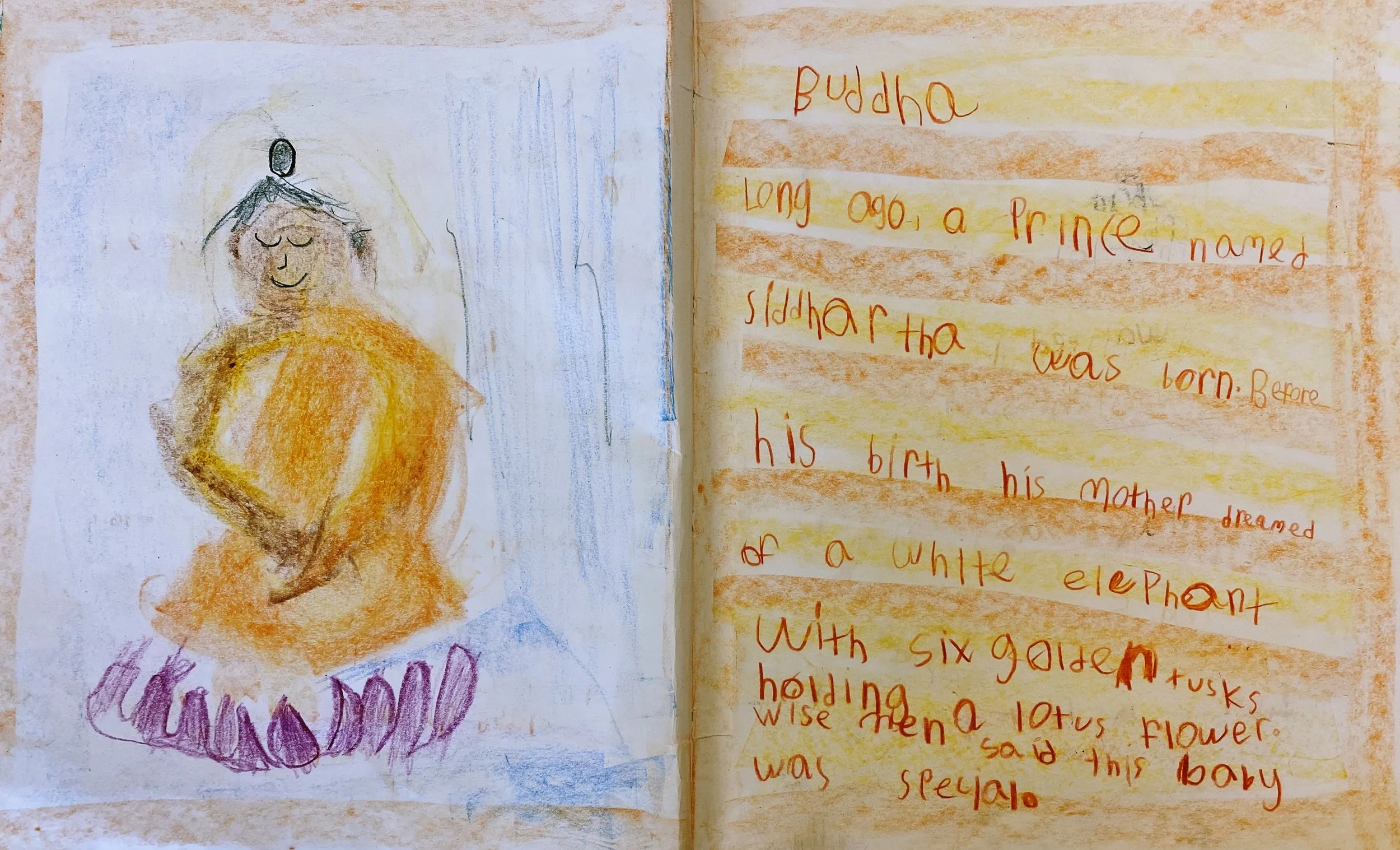
In our elementary grades, teachers bring stories from around the world to match each year’s curriculum theme: for example, part of the second grade literature curriculum includes trickster tales, and these may come from stories of Anansi (West African and Caribbean), Coyote (Aztec and Native American), Loki (Norse) or others.
Since the teachers move with their students from 1st to 5th grade, the curriculum can spiral, and topics first touched in 2nd or 3rd grade can reappear with more depth and maturity in grades 5-8. With this spiraling in mind, teachers emphasize the beauty and richness of the cultures of the world in the lower grades, to lay a deeply compassionate foundation for diversity before teaching more difficult topics in history and current events in the older grades.
Because of this spiral, upper elementary and middle school students do not learn about marginalized cultures only through their trauma, but first through their joy. For example, 3rd graders study native Haudenosaunee stories and the architecture of longhouses—5th and 6th graders learn about the Trail of Tears during their US history block, and 8th graders dig deeper into colonization, empires, and revolutions all over the globe in their social studies curriculum.
Our commitment



The Association of Waldorf Schools of North America (AWSNA), which oversees Waldorf Schools and Waldorf Teacher Training, outlines the principles that all Waldorf Schools must follow. “These principles articulate the most important values that inform the policies and practices of Waldorf schools in North America and are held as a central tenet of our schools’ accreditation process.”
AWSNA added an 8th principle in June 2024:
8. WALDORF SCHOOLS HONOR AND EMBRACE HUMAN DIVERSITY AND DIGNITY.
Waldorf schools celebrate the diversity of humankind. Faculty, staff, and board pursue a path of human dignity and equity in organizational, leadership, and pedagogical realms. Schools are engaged in understanding and addressing the current and historical roots of inequity. These endeavors are of spiritual, moral, and educational importance and are rooted in Waldorf education’s founding vision, which included addressing contemporary social struggles within the context of the life of the school.
The Ithaca Waldorf School welcomes a diverse community which includes a range of nationalities, gender and social identities, socioeconomic backgrounds, racial identifications, family structures, belief systems, religions, ages, abilities, languages, and political affiliations. By forming an inclusive and supportive school community, we strive to create an educationally and morally healthy social life. (Adopted by Faculty, March 18, 2021)*
The Ithaca Waldorf School is a gender-affirming institution. Waldorf pedagogy is based in supporting students as they develop in every aspect of their being. IWS follows New York state guidelines to foster a safe, inclusive learning environment for all. (Adopted by Faculty, June 17, 2024)
*Here at Ithaca Waldorf School, we also unequivocally denounce any statements made by Rudolf Steiner that do not honor all human dignity.
Our faculty is deeply committed to on-going anti-racism work, gender identity affirmation work, and restorative justice practices for community building, problem-solving, and conflict resolution. Each teacher is tasked with bringing what is needed for the students in front of them each year, so as identities arrive and transform in their classrooms, they bring the topics, biographies, and geographies that will support all of their students’ growth.
Mandate for the Diversity, Equity, Inclusion & Justice Committee (DEIJ) of the Ithaca Waldorf School
PURPOSE
To further the Ithaca Waldorf School Diversity Statement (see above*).
Responsibilities:
1. To promote the growth of an inclusive community at the Ithaca Waldorf School.
2. To support and engage in active conversations around inclusion and equity.
3. To commit to looking within ourselves for ways to broaden an awareness, understanding and appreciation of others’ perspectives.
4. To engage in healthy conflict resolution, working with and out of compassion.
5. To actively develop an anti-bias, anti-racist attitude within ourselves and our students.
6. To create and promote awareness of all sources of bias, including but not limited to internet, print and social media.
7. To ensure that the school and the classroom environments reflect the diversity of the student body and the wider Ithaca community by ensuring that students and all families see themselves reflected within the fabric of the school.
8. To have Waldorf students known as individuals who advocate for others, appreciate differences, and feel responsible for being caretakers within the world.
9. To maintain a healthy practice of self-reflection, reviewing our actions and interactions so that they strengthen the social health of the school.
10. To create a space for healthy dialogue.
11. To support innovative and refreshing advances within and around Waldorf education including, but not limited to the curriculum and daily rhythms.
12. To share with families, staff, faculty and board members resources which are inclusive and equitable, thereby supporting the IWS Diversity Statement.
Reports to: the IWS Faculty
2025-26 Membership: Recommended Chair – IWS Faculty member
Victoria Dehan (Chair), Kaori Teramura, Emily Butler, Liz Hess, Deborah Levy, Laura Hayes
If you would like to join out DEIJ Committee, please email office@ithacawaldorf.org.