Doing things the hard way is worth it.
In our tech-driven world, escapism has become the norm. Children are engaging in real life less, distracted by screens, and demonstrating a low tolerance for inconvenience. Waldorf Education believes that doing things the “hard” way results in better focus, more creativity, higher academic achievement, and better mental health. By staying off screens, resolving conflict in person, writing essays in cursive, knitting a hat, doing multi-sensory science experiments, going outdoors in all weather, learning an instrument, and more, we help students push through discomfort to become engaged, enthusiastic, and resilient learners.
Want Resilient Kids? Try Waldorf.
Ithaca Waldorf School is a private preK-8th grade school located in the beautiful Finger Lakes region of upstate New York. Our curriculum is based on a time-tested and research-backed understanding of child development that supports a balance of intellectual, physical, and emotional growth. We nurture childhood and provide the right subjects and challenges for each age, from the start of the journey at age 3 and to the independent capstone project at age 14. Our teachers emphasize imaginative play and outdoor time for our youngest students, and screen-free, multidisciplinary, project-based, increasingly-rigorous academics for our grades 1-8. All our programs are infused with art, music, innovation, joy, and community-building on our 80-acre farm campus.
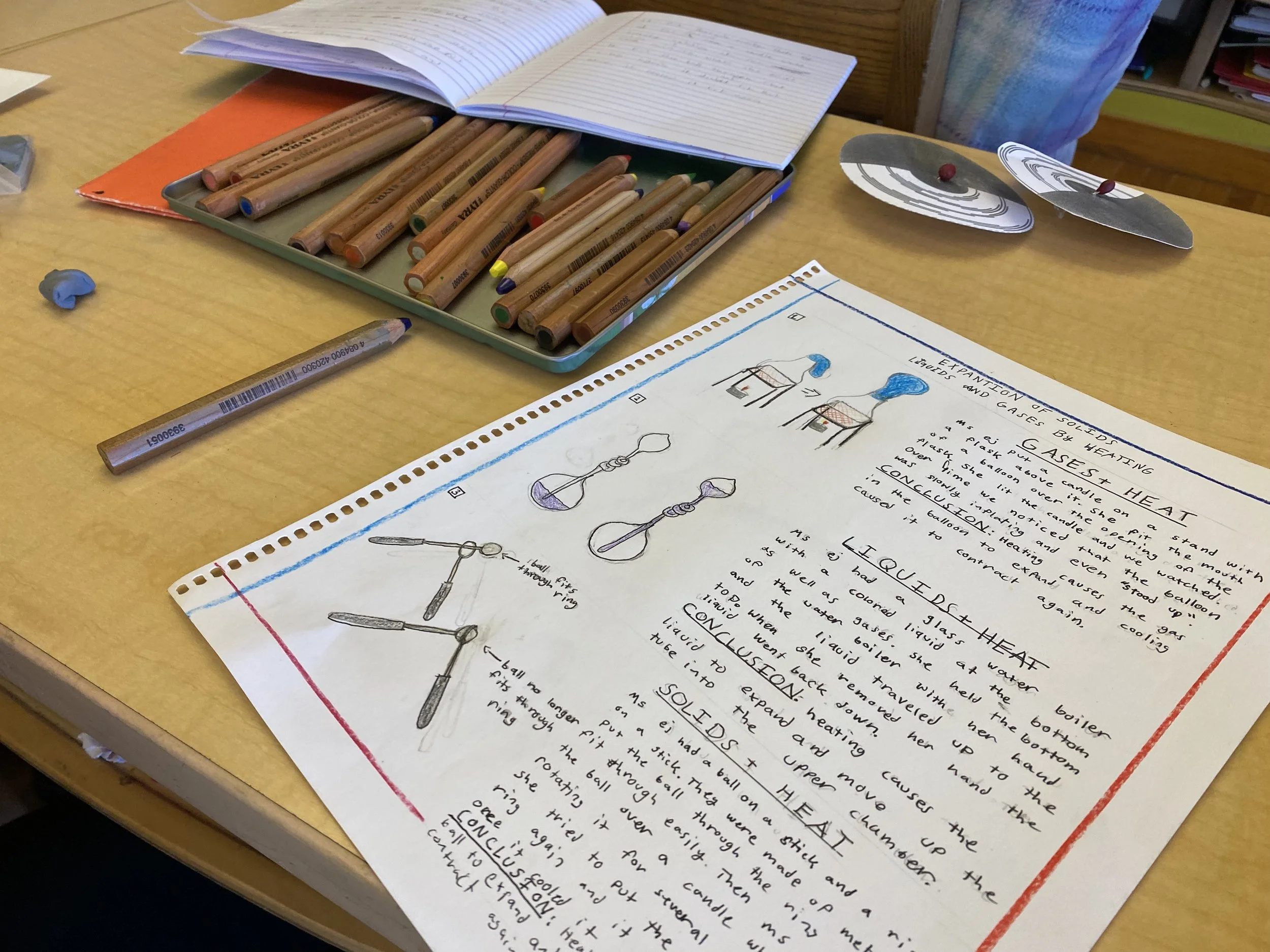
Even in middle school, most student work is documented by hand. They also learn to type and use word processing software and conduct online research, but our 8th graders are incredible artists, and appreciate the feel of their hand-drawn and handwritten assignments.
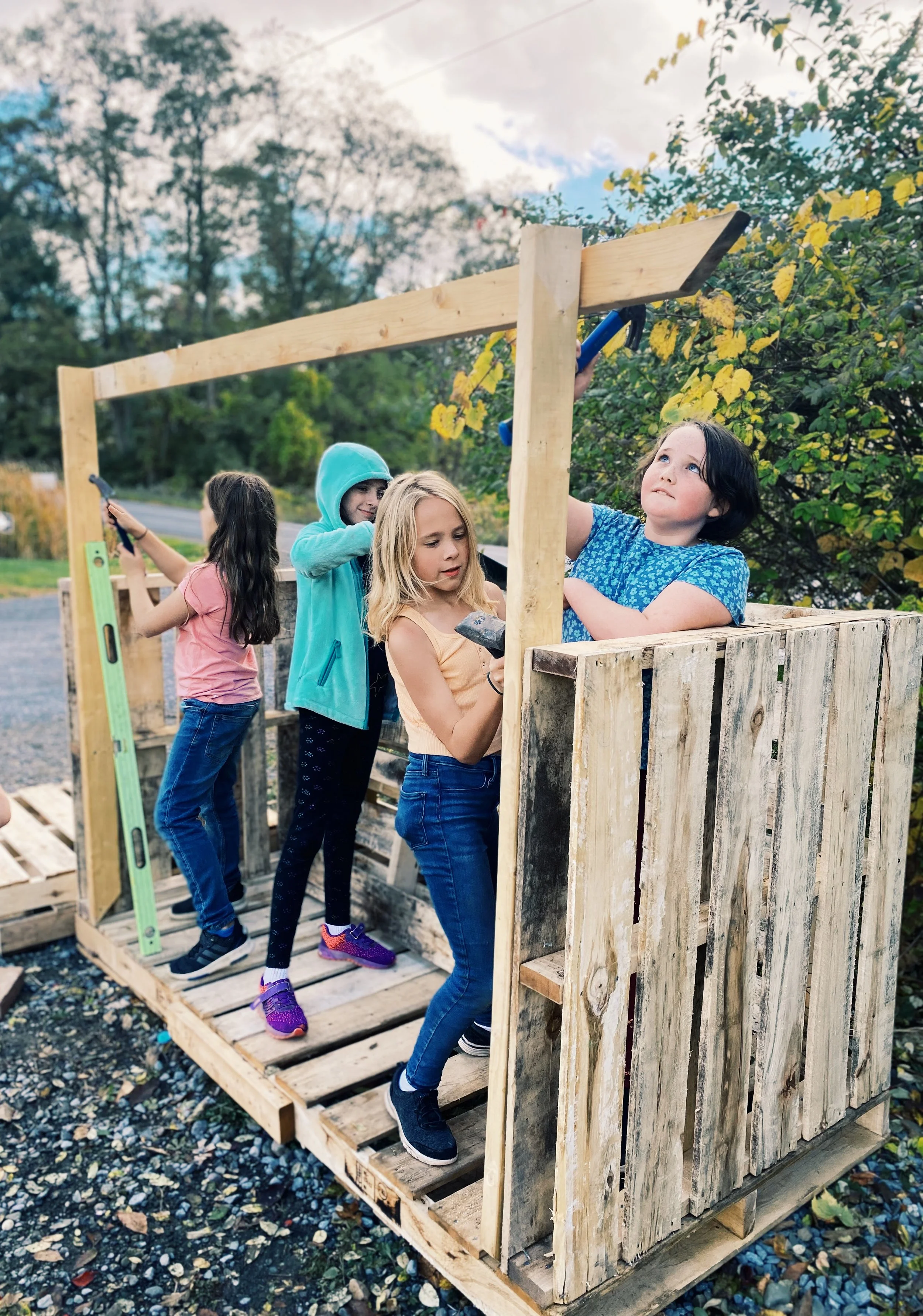
Resilience is crucial for success in school and beyond. When students develop confidence, adaptability, and problem-solving capacities, it accelerates academic success. Waldorf Education helps children develop resilience through a hands-on, multidisciplinary and human-centered curriculum that is both challenging and rewarding.
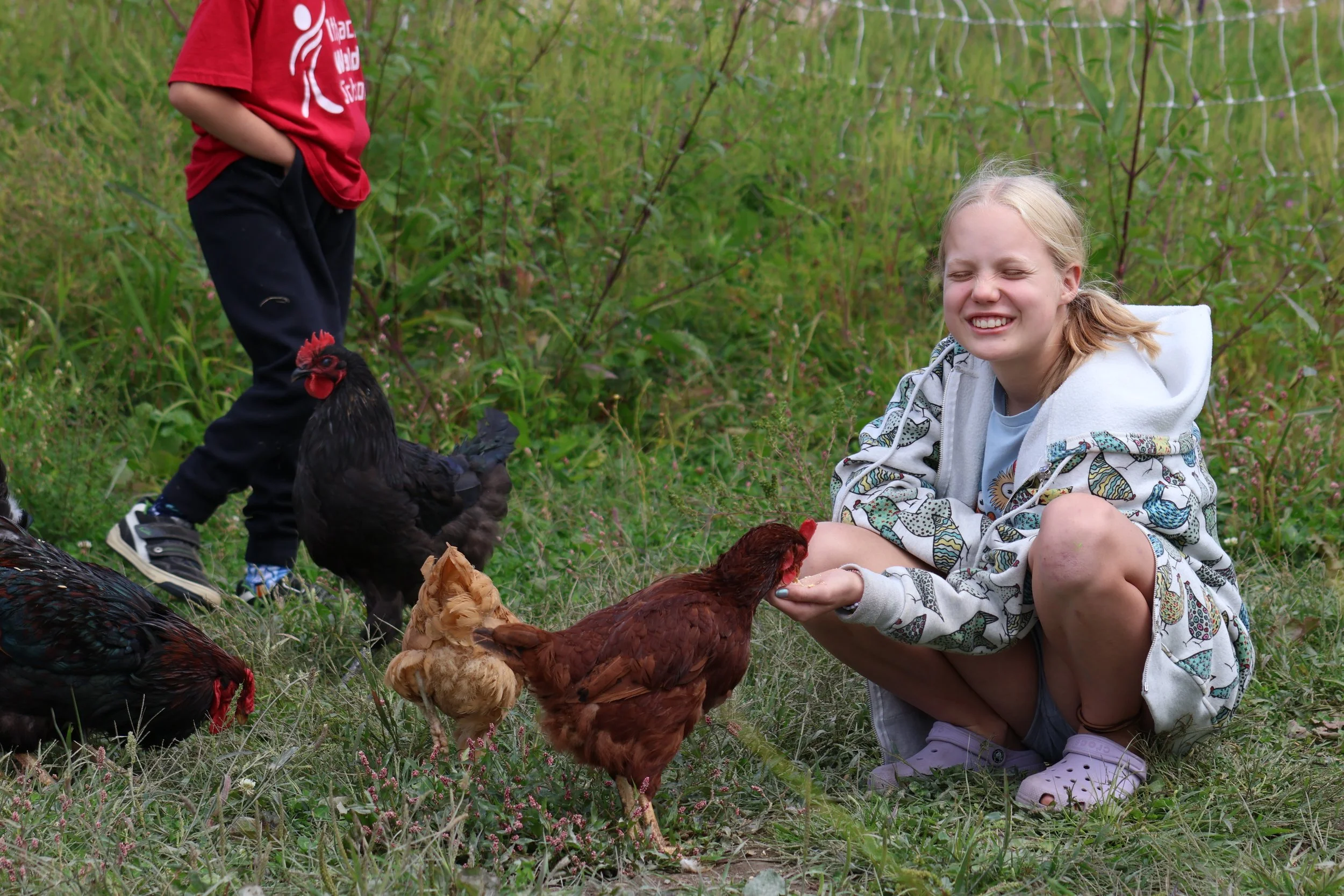
“Heavy Work” for preschoolers
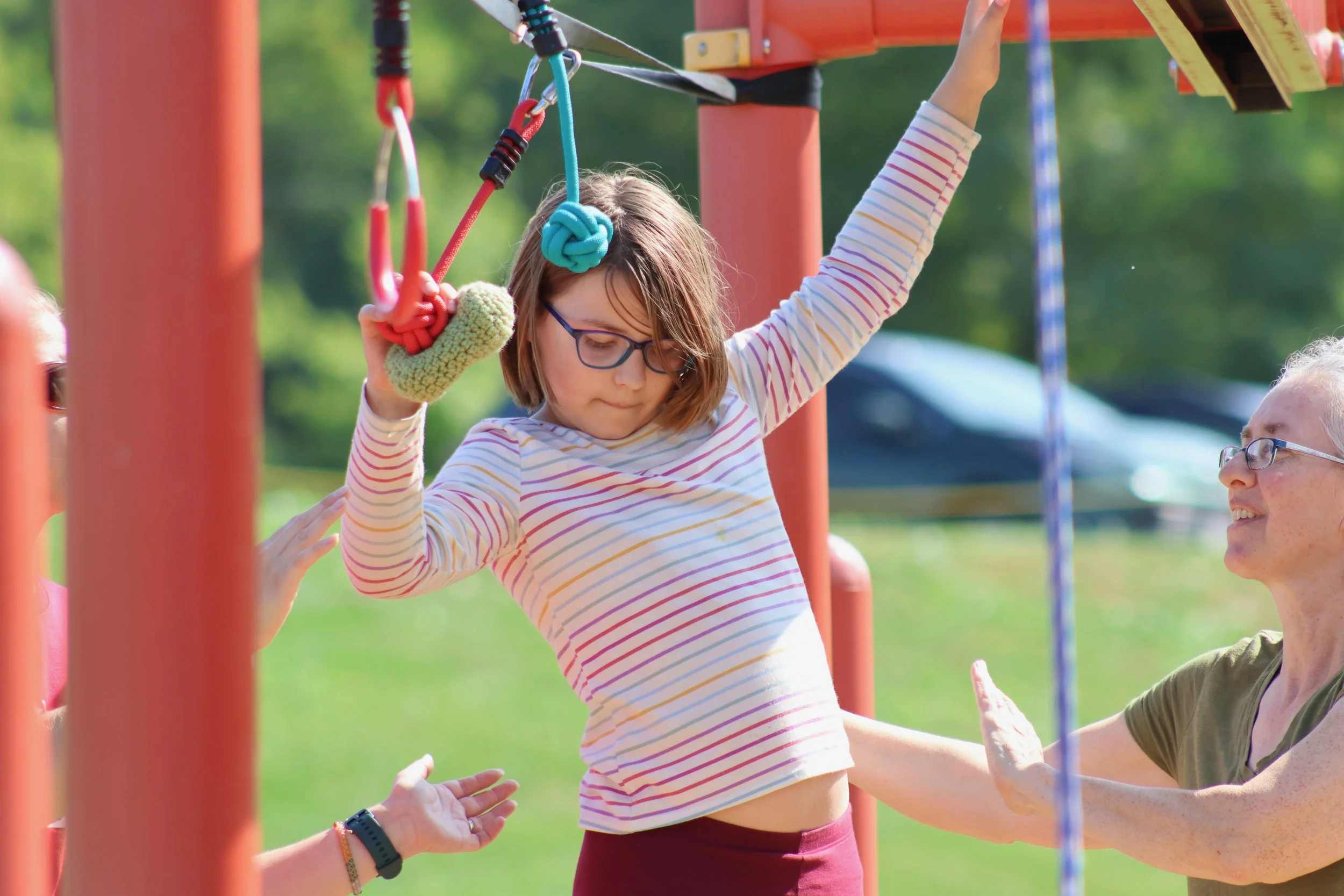
Our preschool and kindergarten students use real hammers, real metal shovels in their sandbox, and a real log-splitter and mallet for the firepit on their playground. Children who touch real objects, do heavy work, and complete meaningful tasks build grit, resilience, confidence, and the desire to work hard at the next challenges that come their way. This is the development of true work ethic, which, over the course of 8-12 years at Ithaca Waldorf School, produces high schoolers who love to learn, work hard, help others, and achieve their goals.
Engaging in “heavy work” is also critical for neurological development, correct join and limb formation, balance and gross motor skills, and emotional well-being.
An education with elements so seemingly “old-fashioned”, that
brain science says it’s progressive again
Our students still learn cursive-writing, for connecting brain hemispheres, improved spelling and literary fluency, training attention and care for our work, organizing thoughts on a page, and making our work beautiful.
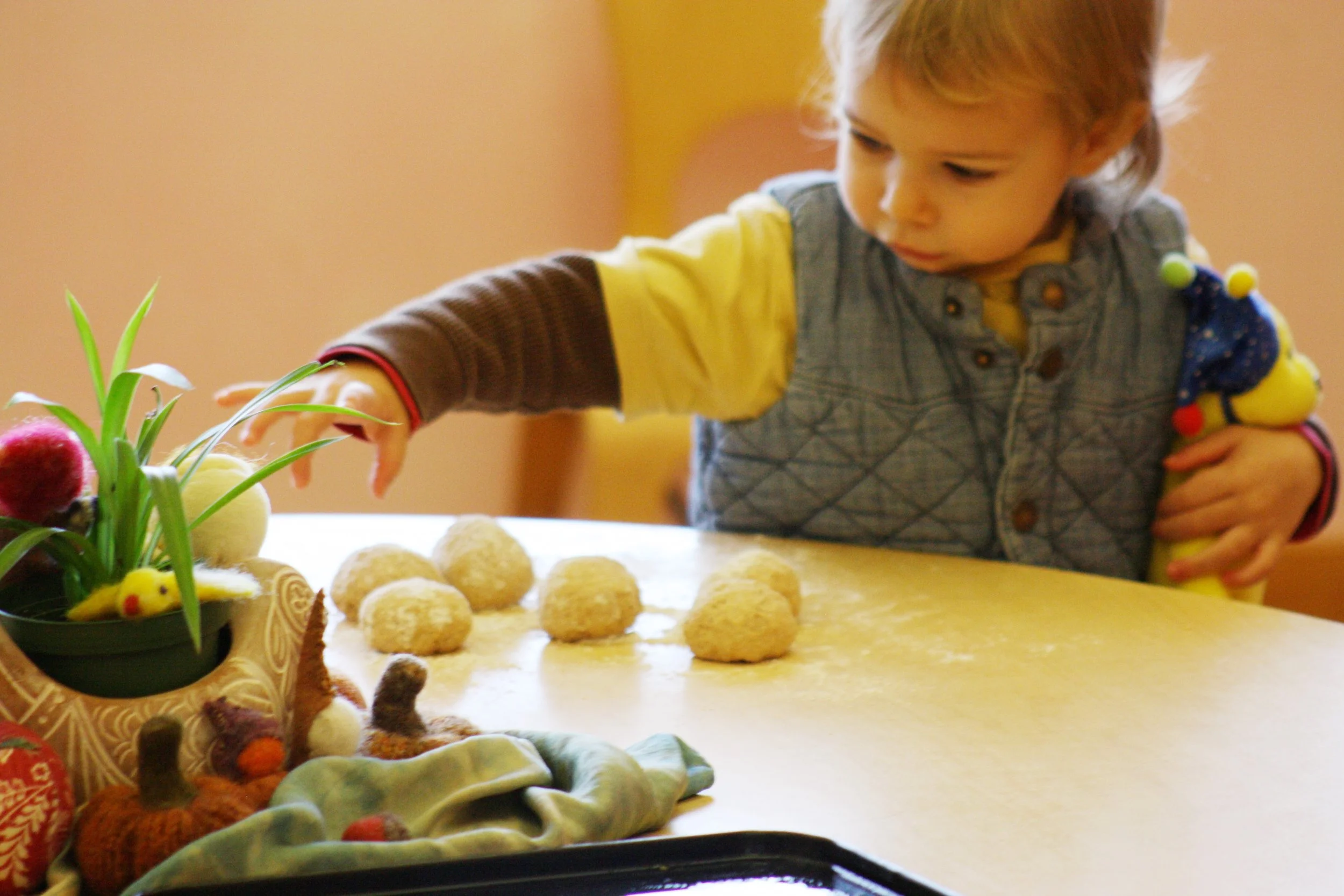
Our 3rd grader teacher: “We’ve been cooking all year, which is great for kids to learn real-world skills, and where food comes from, and give them the confidence that they can make things themselves, and the responsibility of using real knives… but then when I teach fractions on the chalkboard, all the kids say, ‘oh we already know this, from cooking!’”
When children are given the opportunity to step away from modern conveniences and learn how things work and how they can make or do them themselves, their understanding and confidence grows exponentially. Most importantly, their natural curiosity and responsibility for their own learning is ignited.
Using chalkboards instead of smart boards, and cursive writing instead of typing, slows down education again to a human scale, to a child’s speed. Just as you’d let a toddler explore a puddle for as long as he wishes, reveling in his glee that outlasts a grown-up’s patience, we keep school child-centered in how we teach. Our 8th grade graduates still recall things they learned in 2nd grade, and bring joy, confidence, and a thirst for learning into their high school experience.
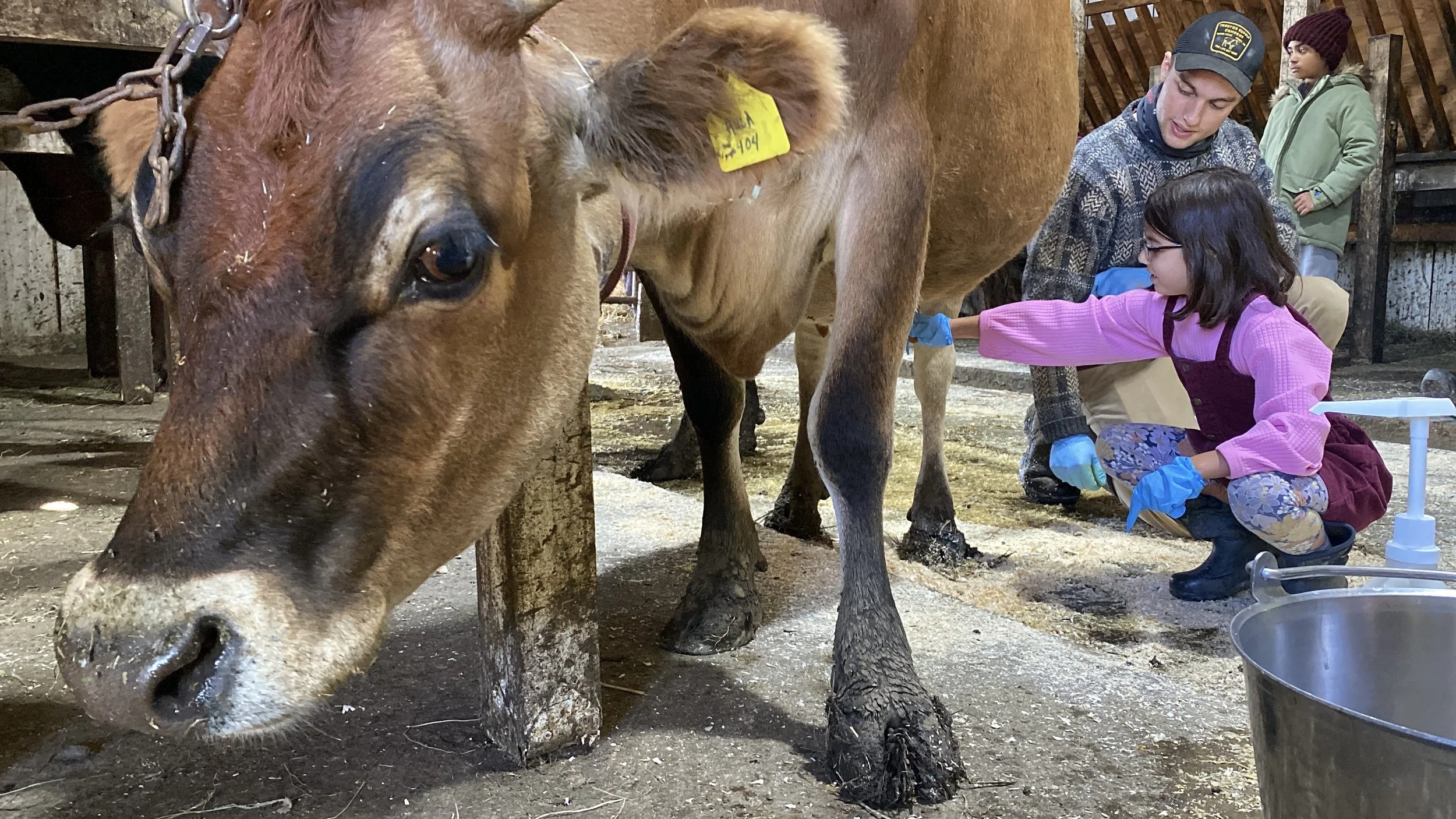
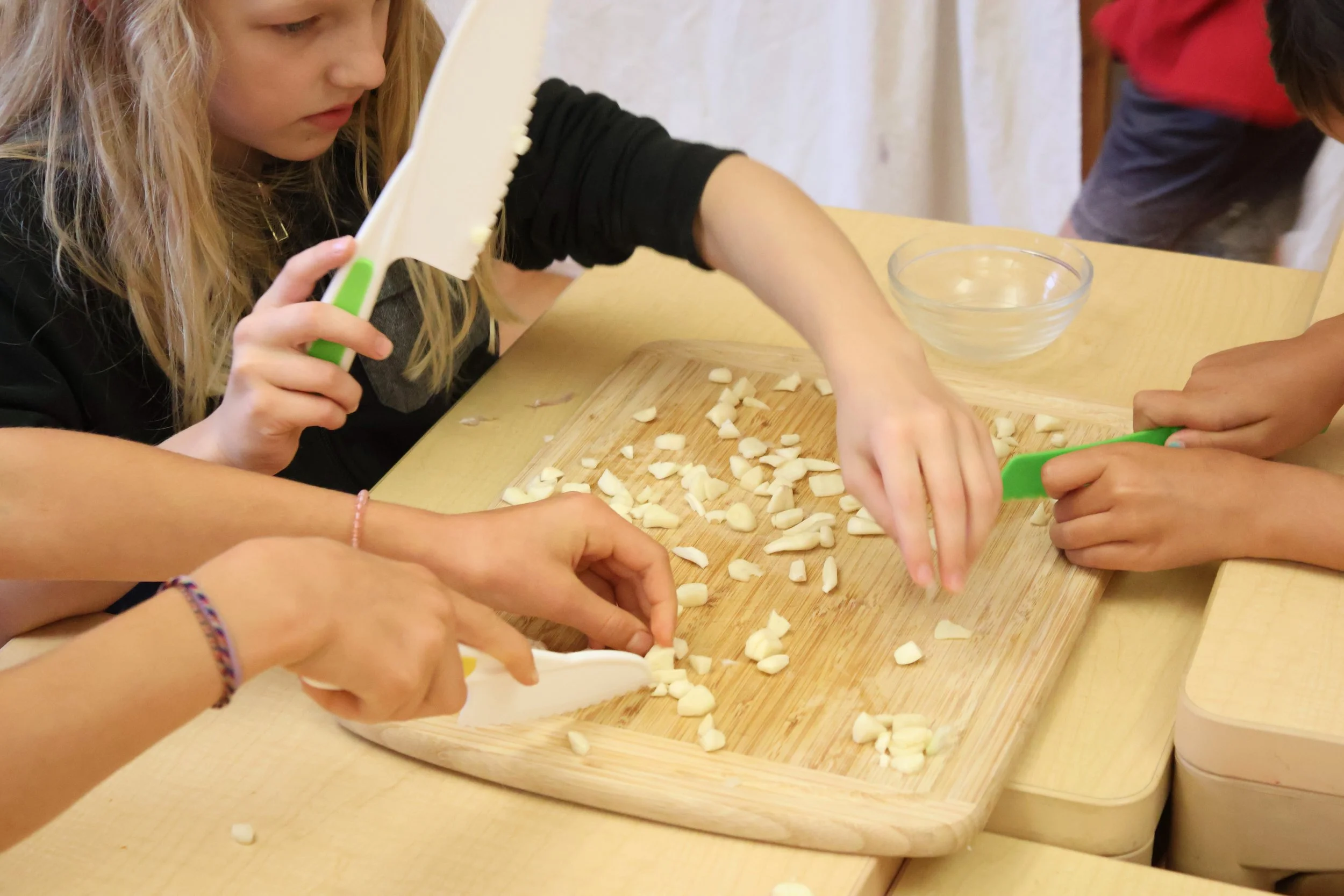
A balanced education: clarity of thought, warmth of heart, strength of purpose
It is our job as educators to support the natural unfolding and development of childhood, to result in young adults who are confident, compassionate, and capable. We challenge their minds to become critical, flexible, and inventive; their feelings to become deeply aware, empathetic, and self-motivating; and their bodies to be able to transform their good ideas into meaningful work that changes the world.
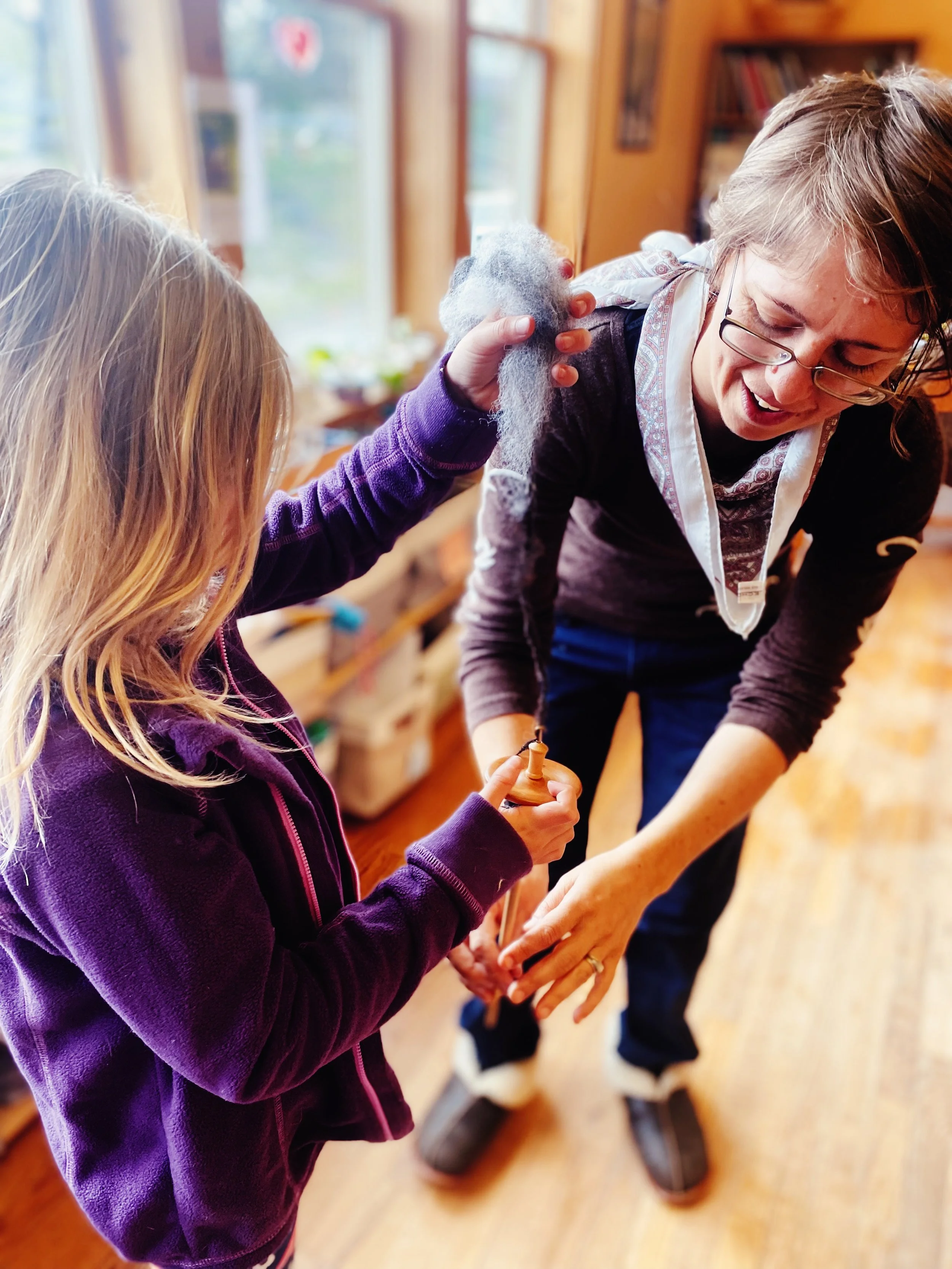
Spinning wool on a drop spindle: part of our “sheep-to-shawl” curriculum for 3rd grade, which incorporates caring for our sheep (farm class), fiber arts (handwork class), weaving (math class) , and human culture (social studies and history).