
“Do They Just Play With Mud and Sticks?”
Busting common myths about Waldorf education with admissions coordinator Emily Thompson.
In her many years as a parent and staff member at Ithaca Waldorf School, admissions director Emily Thompson has learned a lot about local families. She’s talked with parents who are worried about screen time in schools, parents who are inspired by the Hunt, Gather, Parent ethos, and parents who are eager to rocket their child to the Ivy League. She’s met families who have chosen to homeschool and families who find Waldorf after years in public education. Through these experiences, she’s heard a lot about what Ithaca families value in a school—and what they want for their children.
She’s also heard a lot of myths and misconceptions about Waldorf education and how it works. While it’s true that Waldorf schools take an alternative approach, many parents don’t know that our methods are robustly backed by mainstream research in neuroscience, education, and child development. And parents are often surprised to learn about the many ways our programs mirror and surpass the material and expectations set by mainstream educational models.
Below, Emily shares some of the most common myths and misconceptions she’s heard about Waldorf schools.
“Do Waldorf students just play with mud and sticks all day?”
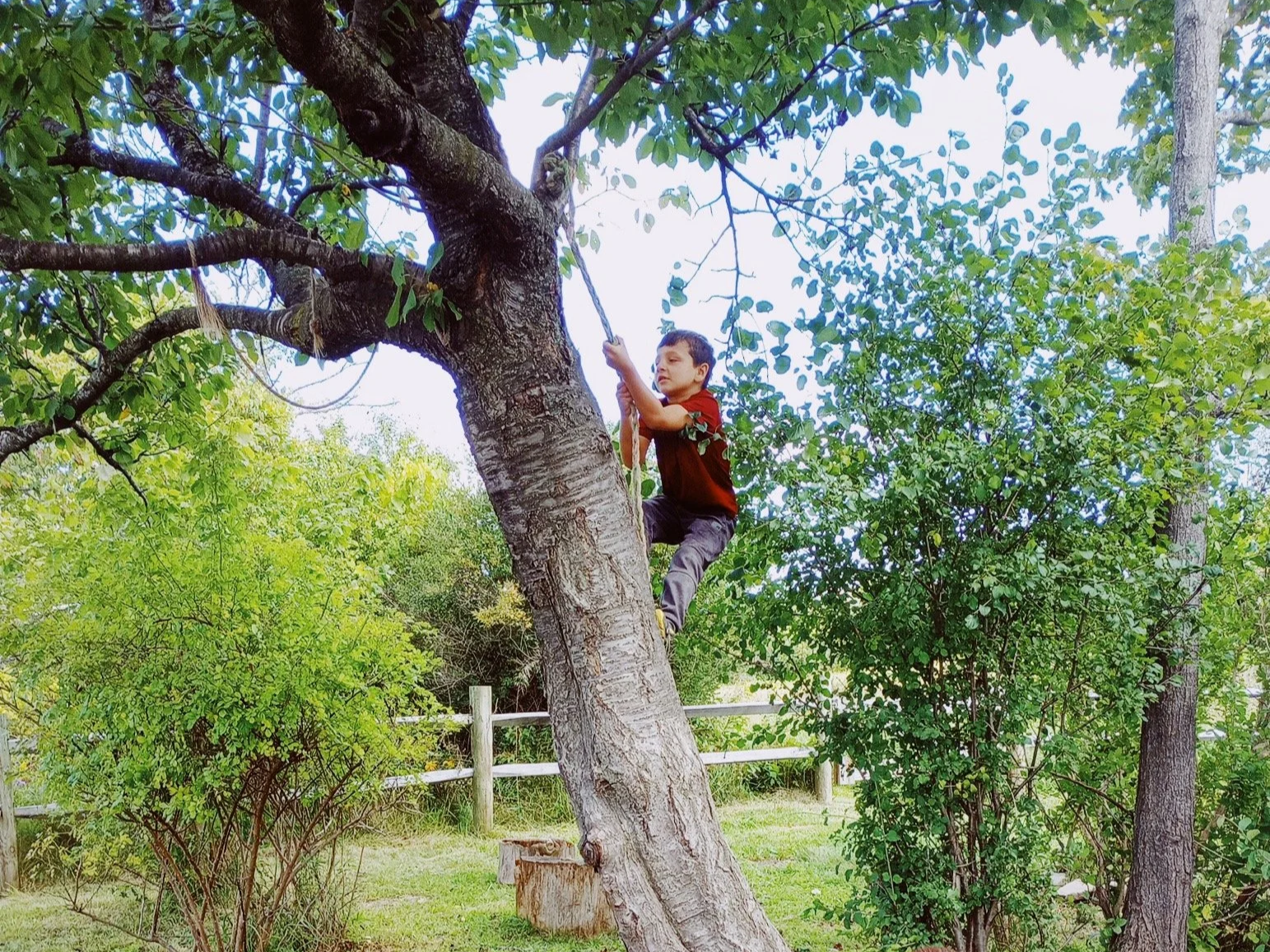
This first misconception is based in reality: Our very youngest students, ages 3-6, spend at least half of their school day outside, in all seasons and weather, with ample time for free imaginative play in the elements. However, our 8th graders are not still “playing in the mud”—although they are still responsible for cow chores and completing their Regents Earth Science labs, both of which surely involve mud on a higher level!
During preschool and kindergarten, the daily schedule is thoughtfully structured to move between free play, classroom responsibilities like clean-up and snack prep, and teacher-guided activities that build essential pre-academic executive function, social-emotional and fine motor skills. In the Waldorf early childhood classroom, our expert teachers lead the class in consistent daily routines that develop cognitive connections and working memory, making it easier for them to follow through with tasks and build their executive functioning skills.
When it comes to the developing brain, research shows that nothing builds cognitive skills like “mud and sticks” in early childhood—even for the most ambitious learners! Time for imaginative, unstructured play is essential to a child’s cognitive, social, and physical growth, which is why it is such an important part of preschool and kindergarten. Waldorf schools follow a curriculum sequencing rubric that grows with the natural development of the child: we start with learning focused on physical interactions with the world as a very young child, but our programming evolves as the student grows into what looks like more traditional academic learning in elementary and middle school.
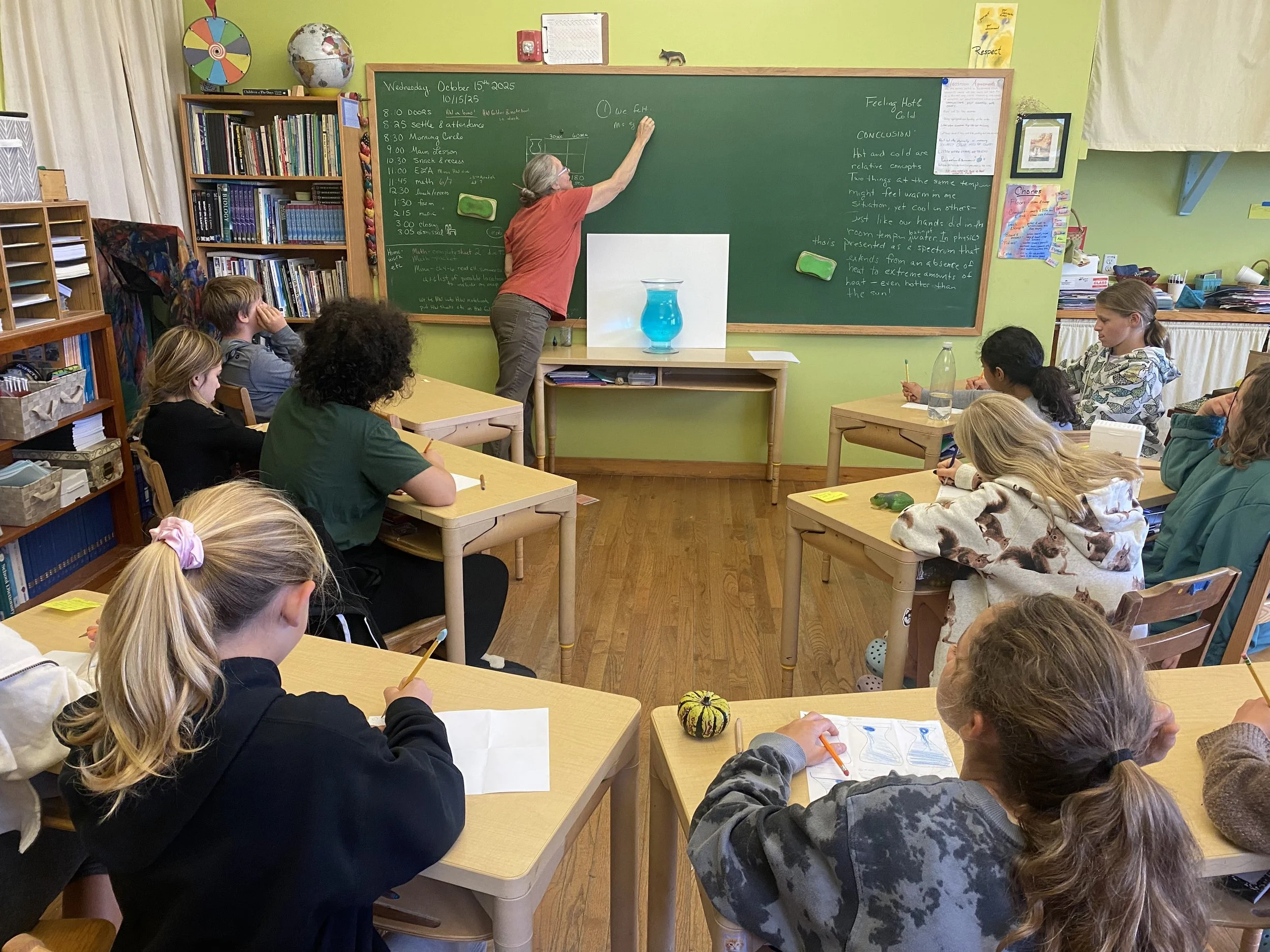
In elementary and middle school, the school day is structured so that students can balance a remarkably well-rounded and challenging academic curriculum in math, science, language arts, social studies, and geography with special subject classes in music, movement, applied arts, and foreign language. By 8th grade, our students have developed the study skills, knowledge, and motivation to complete a long-term independent research project and place high in annual STEM regents exams. That said, unstructured time also benefits older children, and twice-daily recess is part of our program all the way through 8th grade!
“My child is gifted. I think a Montessori school is more likely to bring out her natural talents.”
Both Waldorf and Montessori schools excel at encouraging each child’s unique talents, though our approaches differ. Gifted students thrive in a Waldorf setting because they are challenged socially, creatively, and intellectually across a wide range of subject areas—rather than following a separate and siloed course of study, with each child’s own interests and abilities guiding their school work.
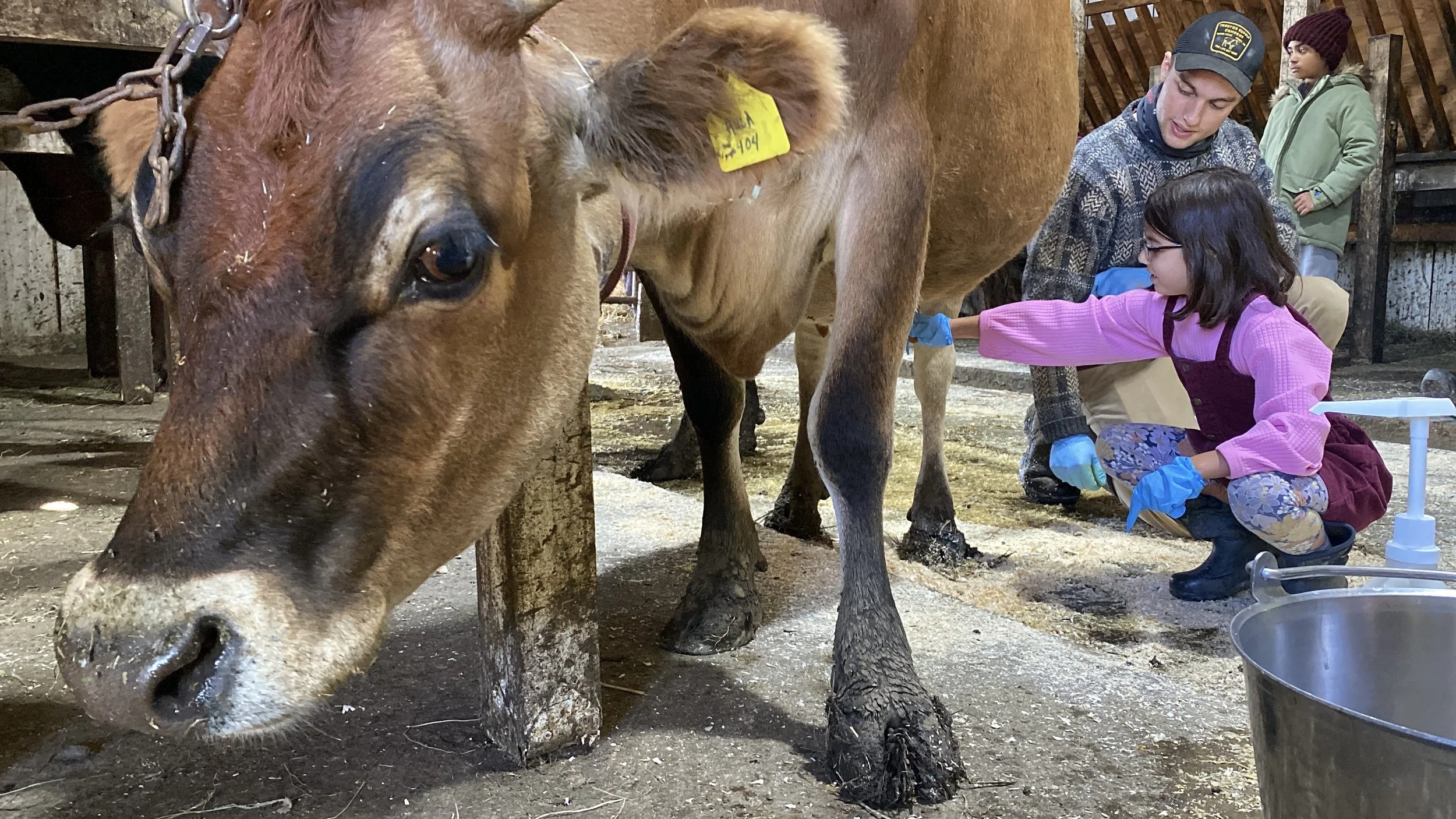
In a Waldorf school, learning is inherently social and decidedly well-rounded. Children are encouraged to engage with a wide range of subjects and disciplines, and to engage with each other through class discussions, group work, and ensemble activities like orchestra and class plays. Our approach doesn’t prioritize individual gains and personal convenience, instead encouraging children to develop essential qualities like empathy, ethics, resilience, collaboration, and strength of character.
While all students work through the same curriculum together, Waldorf is anything but a one-size-fits-all approach. Through low teacher-student ratios and close multi-year relationships, our faculty gets to know each student’s skills and abilities intimately. When a Waldorf teacher notes a child is gifted or hungry for more challenges, they challenge them further by deepening their experience of the topic with more material and higher level challenges, rather than taking them out of the group.
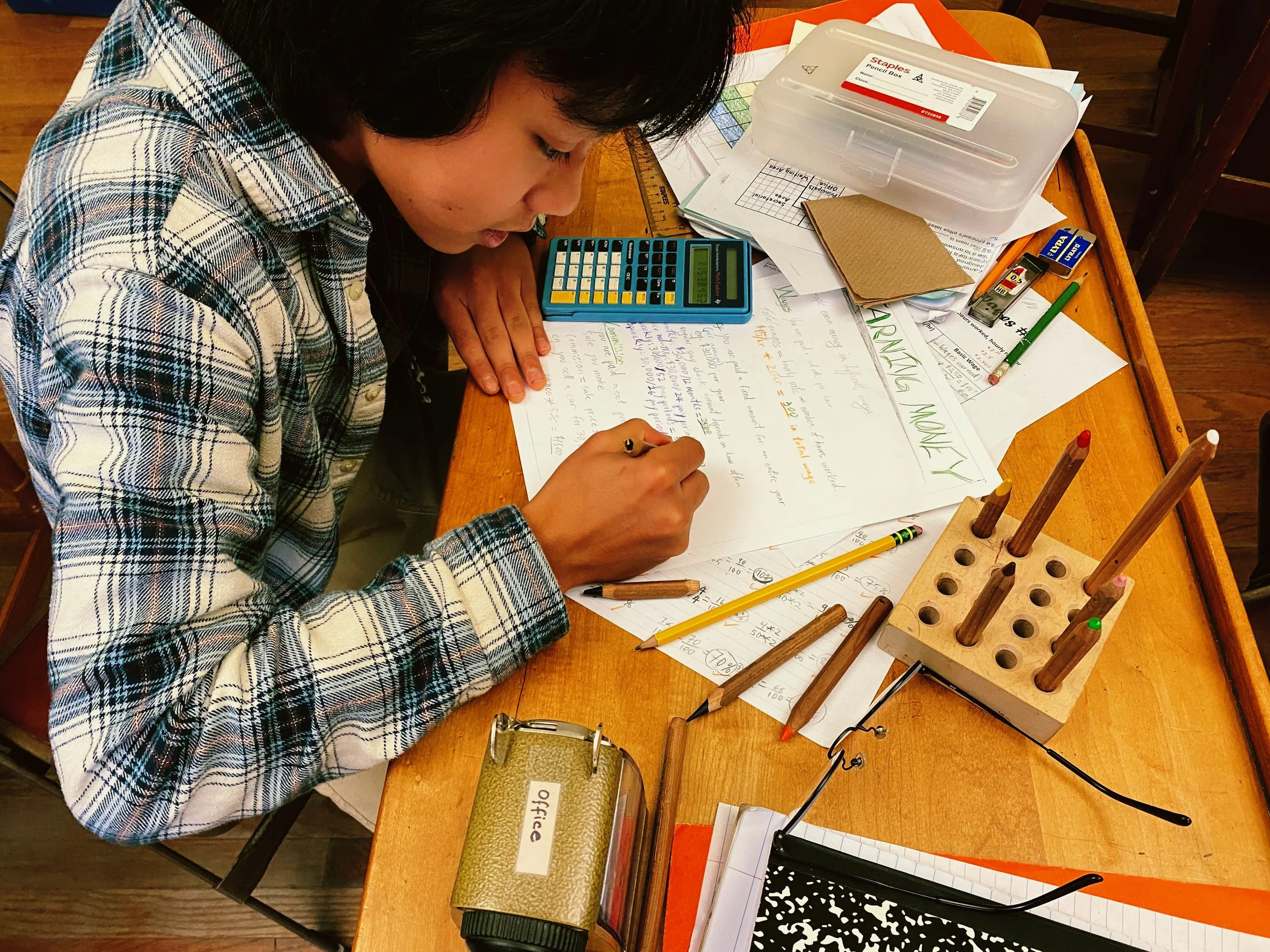
In fact, Waldorf teachers frequently provide different roles or assignments to their students, depending on their abilities, supporting students when they struggle and challenging students when they excel, but keeping the community cohort focused on the same material. This conveys to the students the value of each individual in the community, despite their various interests and abilities. Over the course of a day spent in a diversity of classes and types of work, each student will have opportunities to shine and lead as well as opportunities to stretch and lean on others for help.
“I’m not sure we’re a ‘Waldorf family.’ Isn’t it kind of granola?”
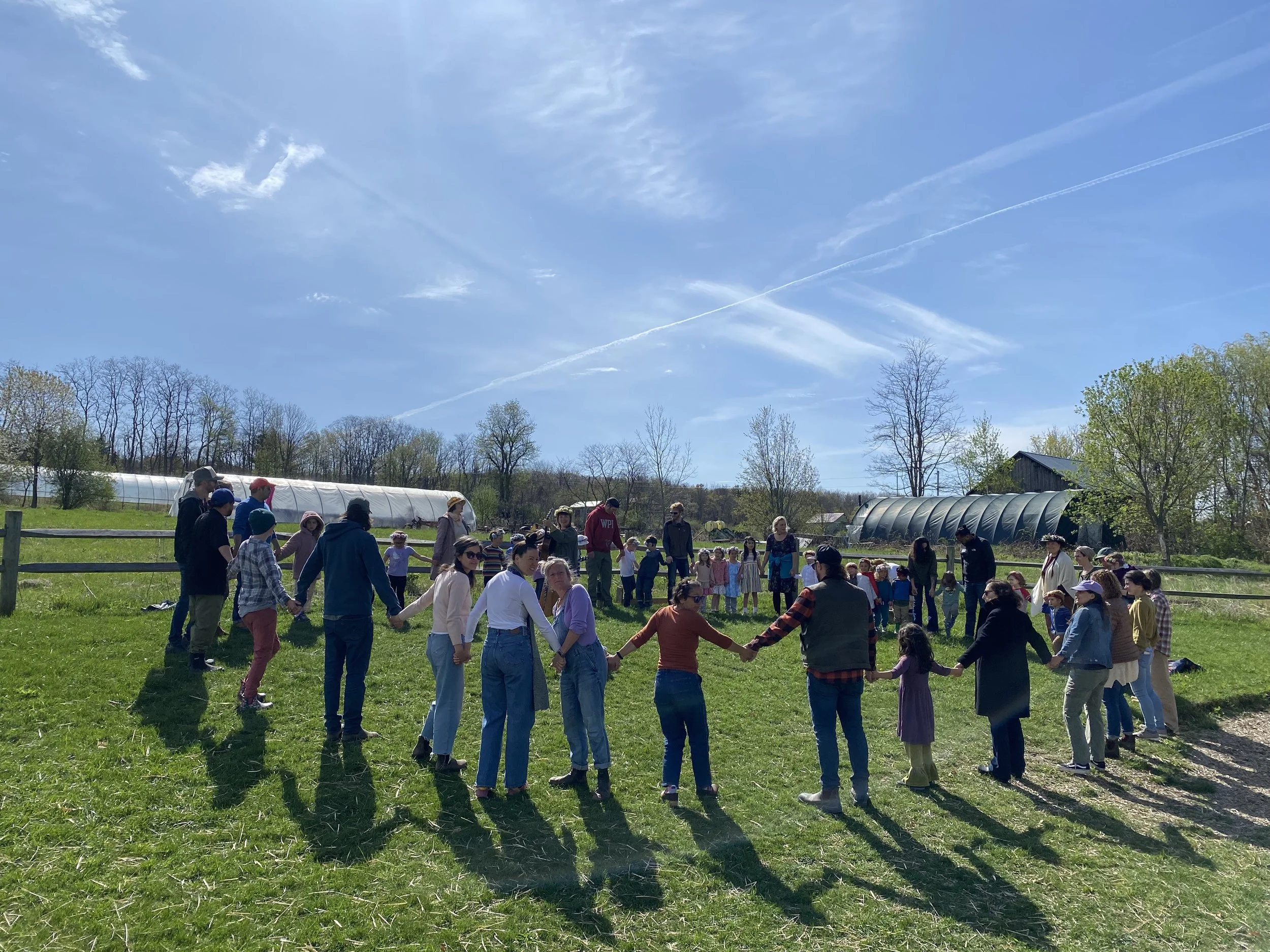
Waldorf education is for everyone—and it shows in our diverse student and parent body! At Ithaca Waldorf School, our parents are college professors, engineers, farmers, artists, restaurateurs, doctors, massage therapists, lawyers, designers, writers, teachers, winemakers, homemakers, researchers, accountants, business owners, therapists, arborists, acupuncturists, psychiatrists, musicians, IT specialists, nutritionists, veterinarians, NFP leaders, architects, and nurses. Employees at tech giants on the West Coast and high financiers on the East Coast all send their kids to Waldorf schools.
If you’re picking up a “hippie” vibe on campus, it’s because we know (and research shows) that children benefit from an education and environment that emphasizes wonder, beauty, and simplicity. We use natural materials and soft lighting in the classroom to create a welcoming space to learn. We use chalkboards and crayons rather than tablets and technology, immersing children in saturated colors and illuminating illustrations. We place tremendous value on handmade work and homemade food, because children need to not only learn how to think but also how to “do,” so that they can learn to bring their good ideas to fruition, and feel empowered. The social atmosphere is warm and friendly, emphasizing collaboration over competition. We prioritize time in nature for children of all ages and encourage a respect for the Earth, laying the groundwork for children to become informed citizens and future stewards of the Earth.
“My preschooler is ‘ready to read’ and ‘hungry for academics.’ I’ve heard that Waldorf schools discourage reading.”
“Ready to learn” and “hungry for academics” describes many young children—including many Waldorf students! It’s true that our approach to literacy is sequenced differently than what you’d find in most mainstream U.S. schools, but our approach to reading—and to all academic subjects—is backed up by extensive research about how children learn.
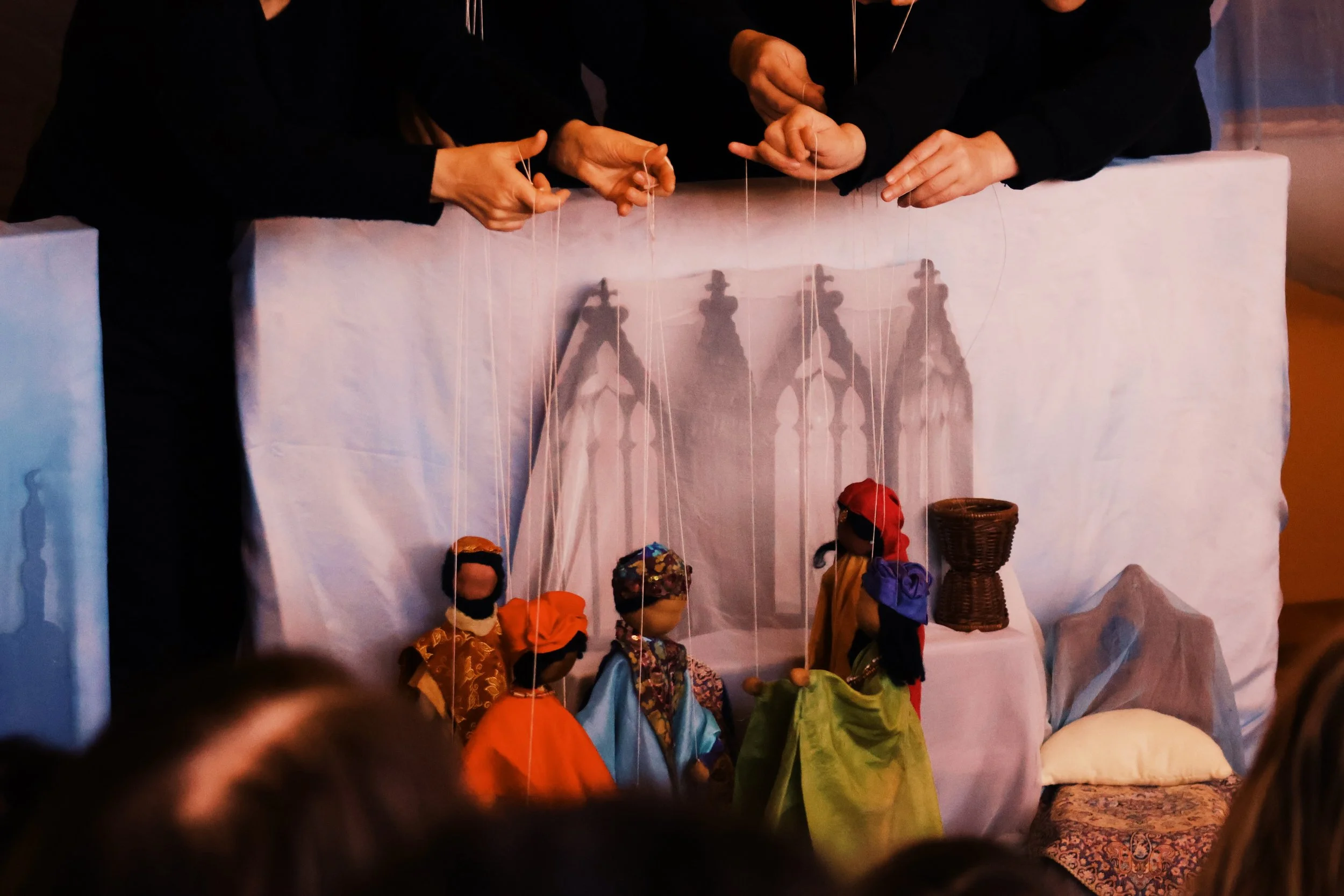
Waldorf education does not discourage early readers; on the contrary, our approach is specifically designed to encourage a love of reading, writing, and stories in our students, starting at the earliest ages. What makes the Waldorf approach effective is that we place tremendous value in building strong vocabulary, communication, and comprehension skills before introducing the mechanics of decoding letters. Our language-rich preschool and kindergarten programs encourage students to develop "inner pictures," the ability to hold a complex image or idea in their mind, a crucial early literacy skill that is linked to long-term success in reading and writing. Through stories, our youngest students build empathy for characters, nourishing this essential quality, and begin to recognize patterns in literature that will later foster interdisciplinary connections. This fosters a deep lifelong love of language and stories in our students, ultimately fostering a deeper engagement with texts when children become independent readers.
Because we don’t push decoding at the detriment of comprehension, it may look like Waldorf students learn writing and reading later than students in mainstream schools. However, our students quickly “catch up” to peers once they begin forming letters on a page. By middle school, most IWS students are reading and writing well beyond grade level. In fact, studies have shown “students at Waldorf-inspired charter schools meeting or exceeding state standards in ELA and math” when compared to non-Waldorf charter or public schools.
That’s because our approach to literacy is not only extremely effective, it is ultimately much more challenging than the mainstream approach: with an emphasis on comprehension, creativity, and critical thinking, our approach to literacy isn’t about decoding, but developing a deep facility with language.
If you’re looking for confirmation that our approach works, look no further than Finland, widely cited as one of the best educational systems in the world. In the Finnish school system, children begin formal education for the first time—including reading instruction—at age 7. By 15, they are outperforming students across Europe and the world.
“Aren’t Waldorf schools anti-tech? I don’t want my child to be behind.”
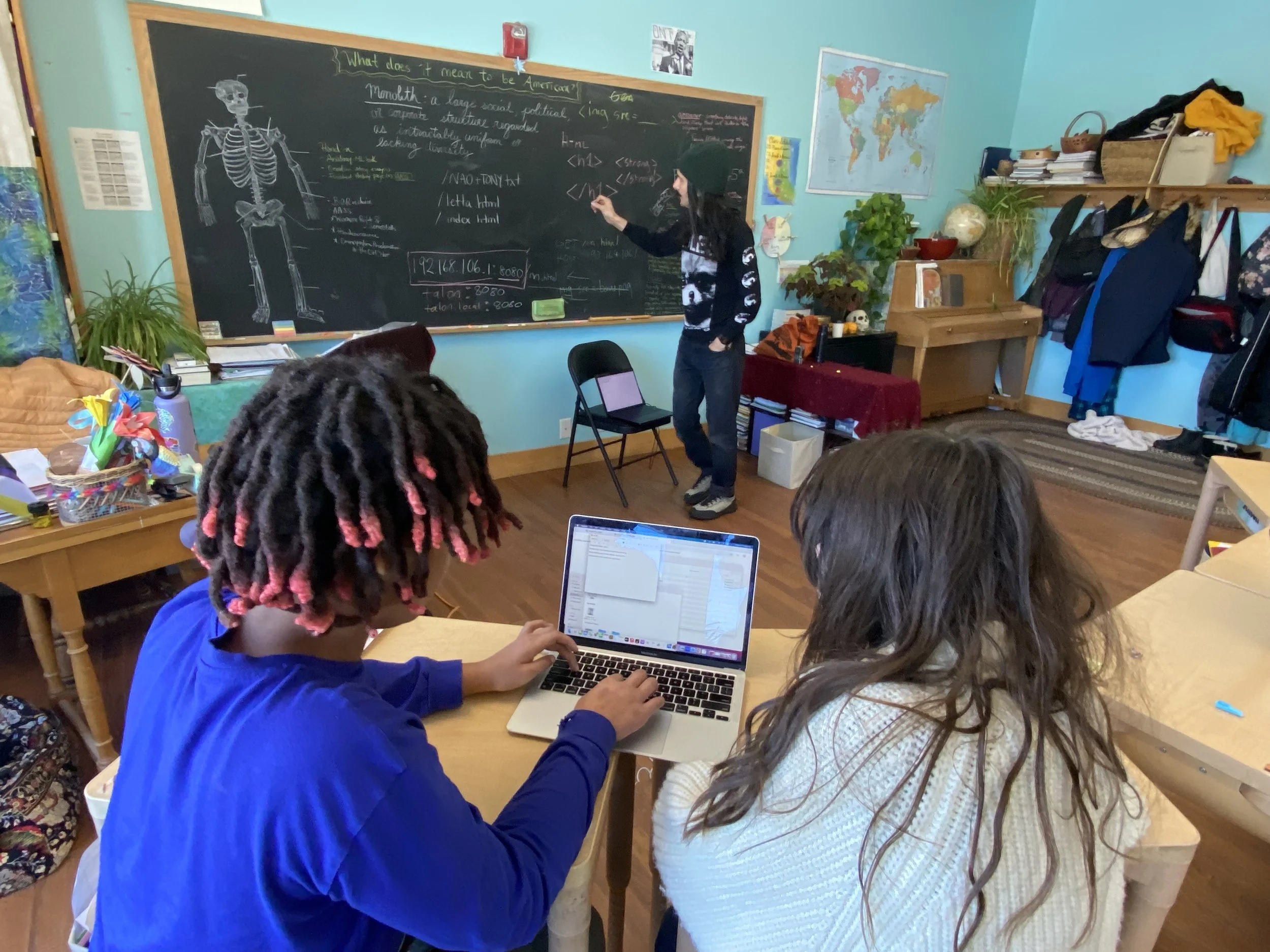
It is true that, compared to mainstream options, we shelter our younger students from technology, media, and the virtual world. It is nearly impossible for a young child’s own developing imagination and inner voice to compete with the allure of fast-paced, addictive, fully articulated media. However, our middle school teachers believe strongly that adolescents need to feel that the adults around them do not reject the wider world outside the Waldorf school; young people need to hear from adults that they have an important place in, and in fact belong to, a modern world that includes advanced technology and virtual worlds.
Waldorf is not anti-tech–instead, we’re into “slow tech,” which is the careful introduction of media and the virtual world at the right time, and with the right ethical foundation. Research has repeatedly shown that children learn best from hands-on experiences and real-life human-to-human instruction. Research has also shown that too much screen time in early childhood can affect health, socialization, and the ability to focus. Social scientist Jonathan Haidt’s best-selling book “The Anxious Generation” brings to our awareness a second critical period of brain development in the social realm between the ages of 11-14. For those reasons, we take an intentional “slow tech” approach, both at home and at school, advocating for the limited use of screens and media during the critical developmental stages of childhood, and the careful introduction of technology at the right time for older students.

During early childhood and elementary school, we teach children to communicate effectively, both in writing and in discussions and oral presentations. Through processes like collaborative projects, ensemble work, and face-to-face conflict resolution, we teach them to build the social-emotional maturity they’ll need to navigate relationships in the future, both online and in-person. As they get older, we introduce the responsible use of technology and ethical online citizenship through the CyberCivics curriculum. This curriculum starts with foundational discussions around consent, addiction, propaganda, verifying sources, anonymity, and more. In this way, we aim to teach students how to use the tools, so the tools don’t end up using them.
We’re a family of scientists. Isn’t IWS an art school?
Art is used as a learning tool across a wide range of subject areas, but IWS is not an art school. We map our 1-8 grade curriculum on New York State standards. While the sequence is different in some subjects, students receive a full elementary and middle school curriculum in science, math, technology, language arts, social studies, geography, and history—in addition to taking classes in farming, string instruments, fiber arts, theater, Spanish, and movement.
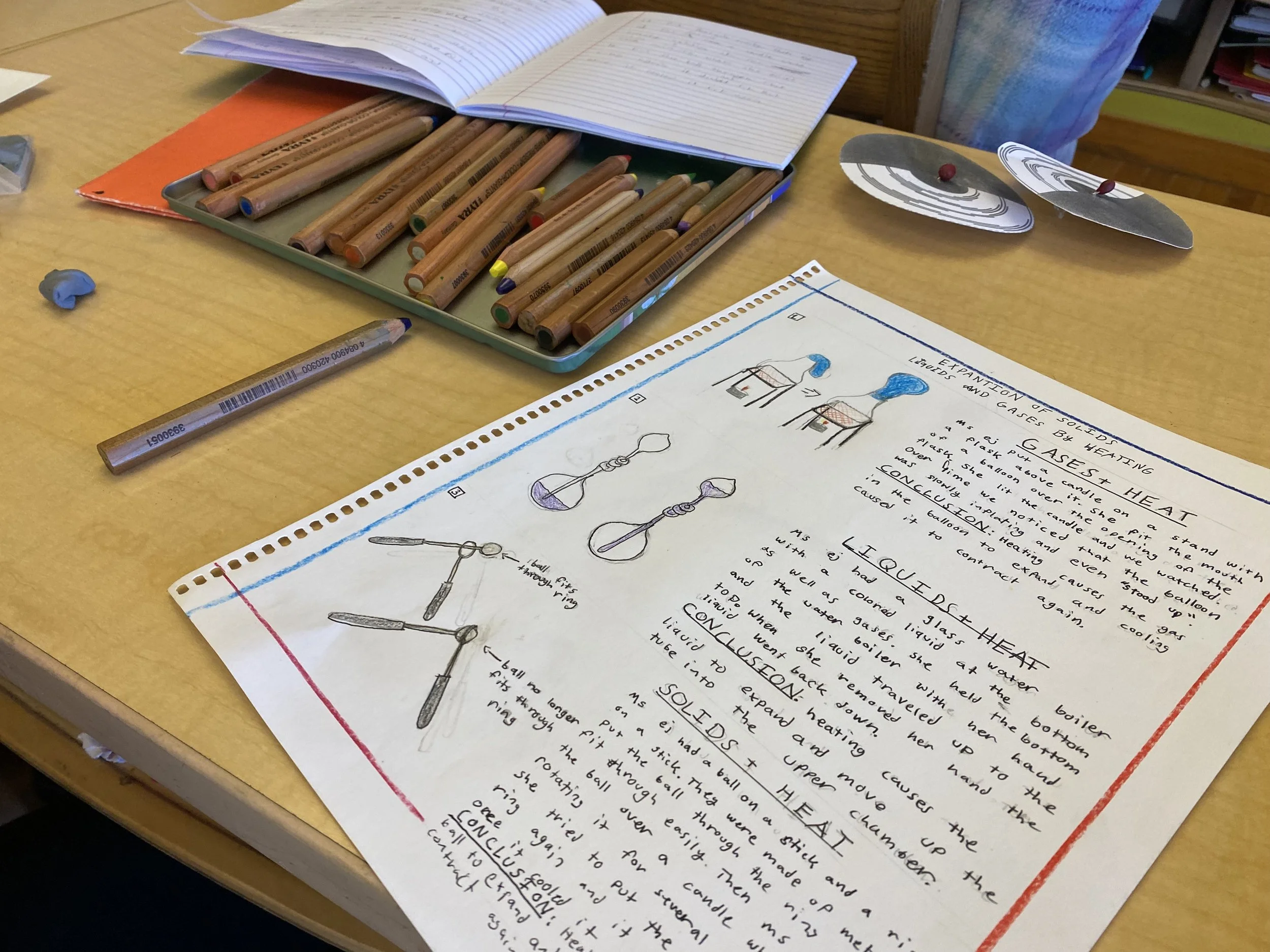
Science, in particular, is a standout at Ithaca Waldorf School. The breadth of our science program is tremendous, with intensive science blocks in elementary and middle school including botany, zoology, meteorology, geology, astronomy, physics, anatomy and physiology, chemistry, ecology, and Earth science. Importantly, our approach to teaching science differs from mainstream schools by emphasizing real-world discovery and experimentation. Our teachers don’t use lectures and textbooks to introduce scientific principles; instead, our program incorporates ample lab work and hands-on projects that teach children how to observe, hypothesize, ask questions, and think like scientists do. Importantly, science—like all core curriculum—is taught in intensive 3-4 week blocks, which allows for the hands-on projects, lab work, and in-depth learning opportunities that excellent science education requires.
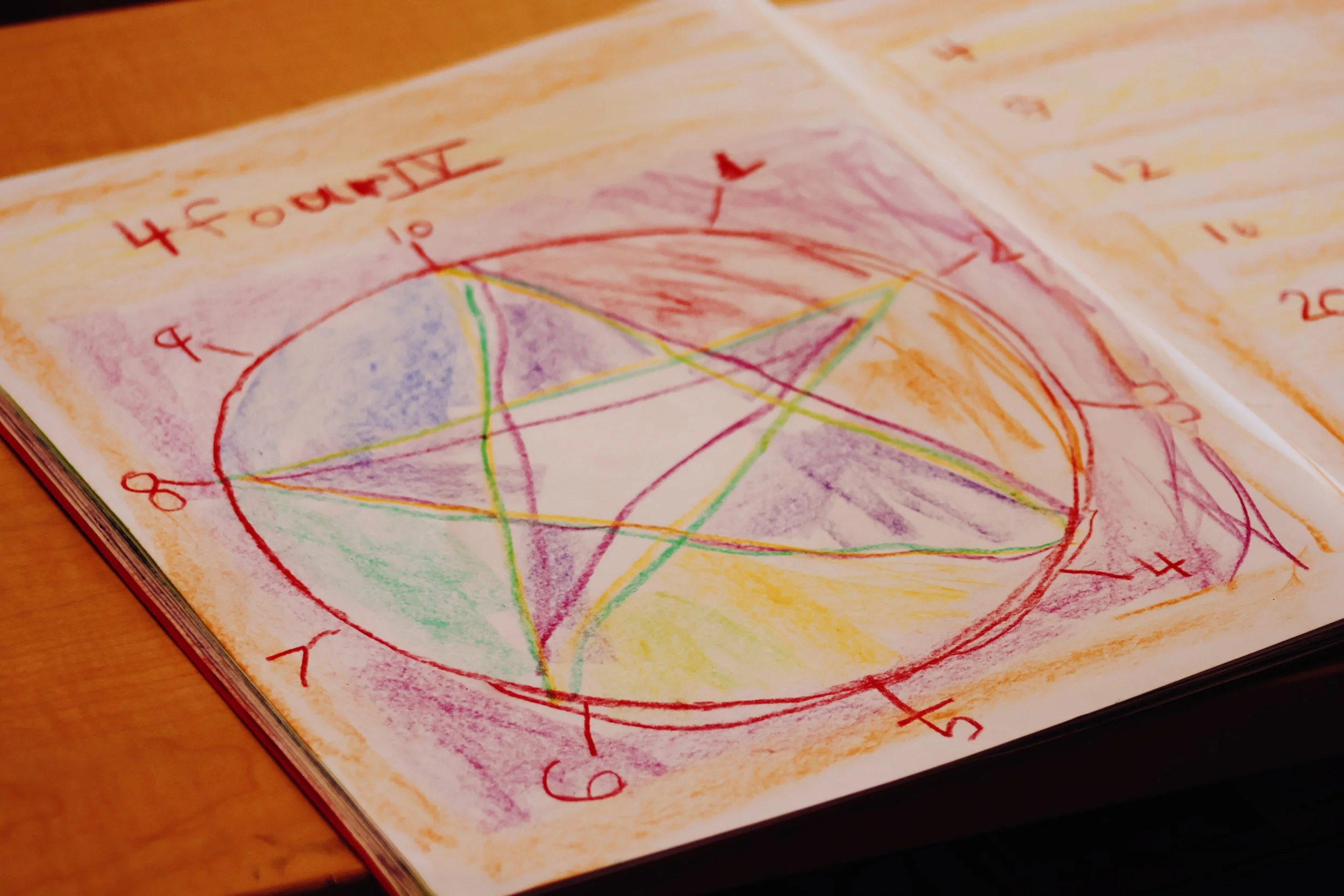
In math, Waldorf schools begin some concepts earlier than in mainstream schools, beginning with all four math processes (addition, subtraction, multiplication, division) starting in grade 1, traveling through key foundational topics like place value, fractions, and decimals during elementary school, and covering Euclidean geometry, pre-algebra, and algebra in middle school. The difference in our approach is that math is integrated with art, science, storytelling, and movement, as well as the history of math. Our interdisciplinary and artistic approach to math makes lessons more relatable, engaging, and meaningful, which translates into better facility, depth, and long-term retention of concepts.
“The Waldorf environment sounds lovely and safe, but I’m worried my kid won’t survive in public high school after graduation.”
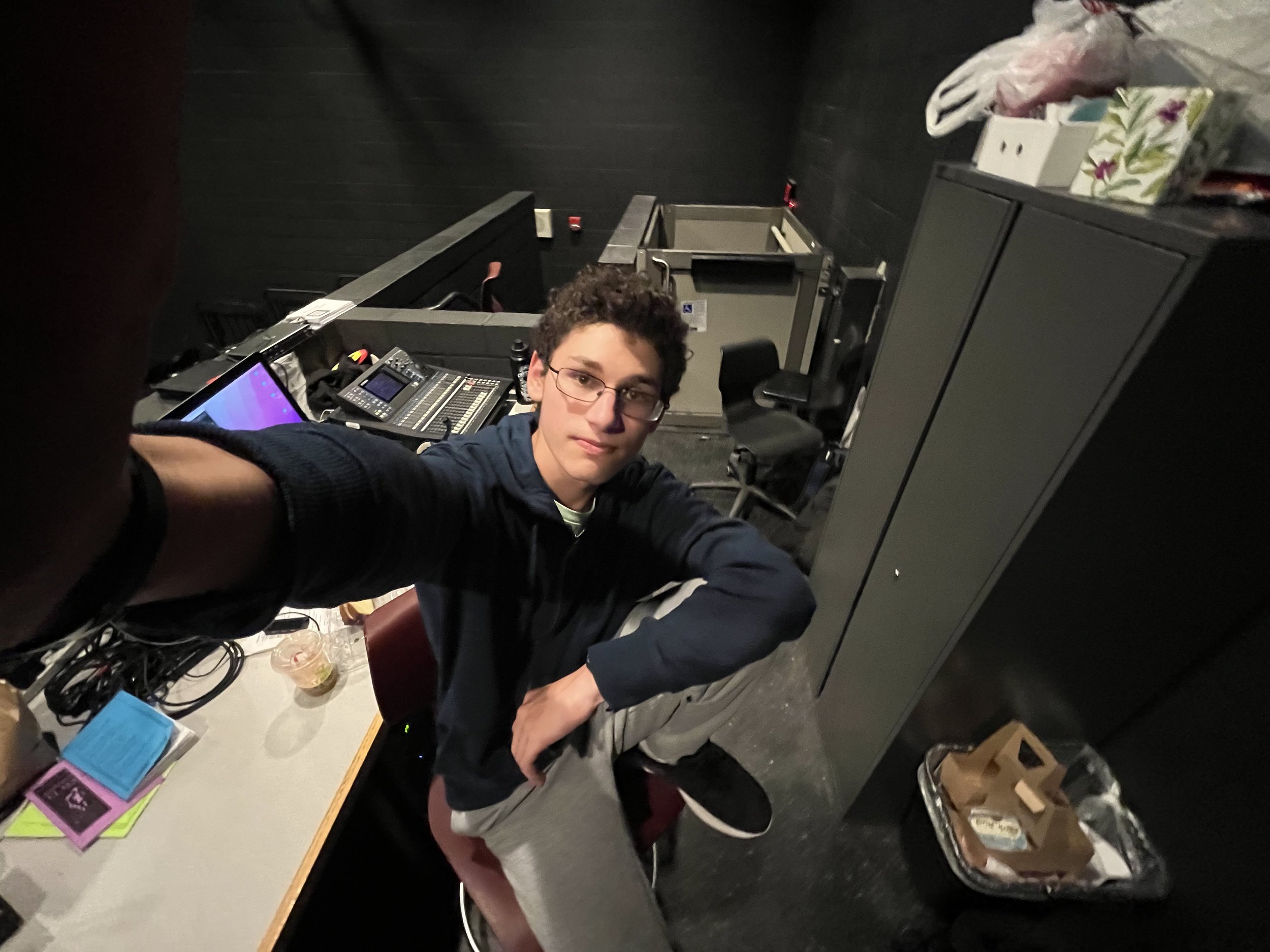
Ithaca Waldorf School students thrive in high school after graduating from our program. After years in a close-knit school environment, many students look forward to the challenges and opportunities of a larger community in the public school system—and they are confident in their ability to navigate a public program. Why? Because our students are well prepared both academically and personally.
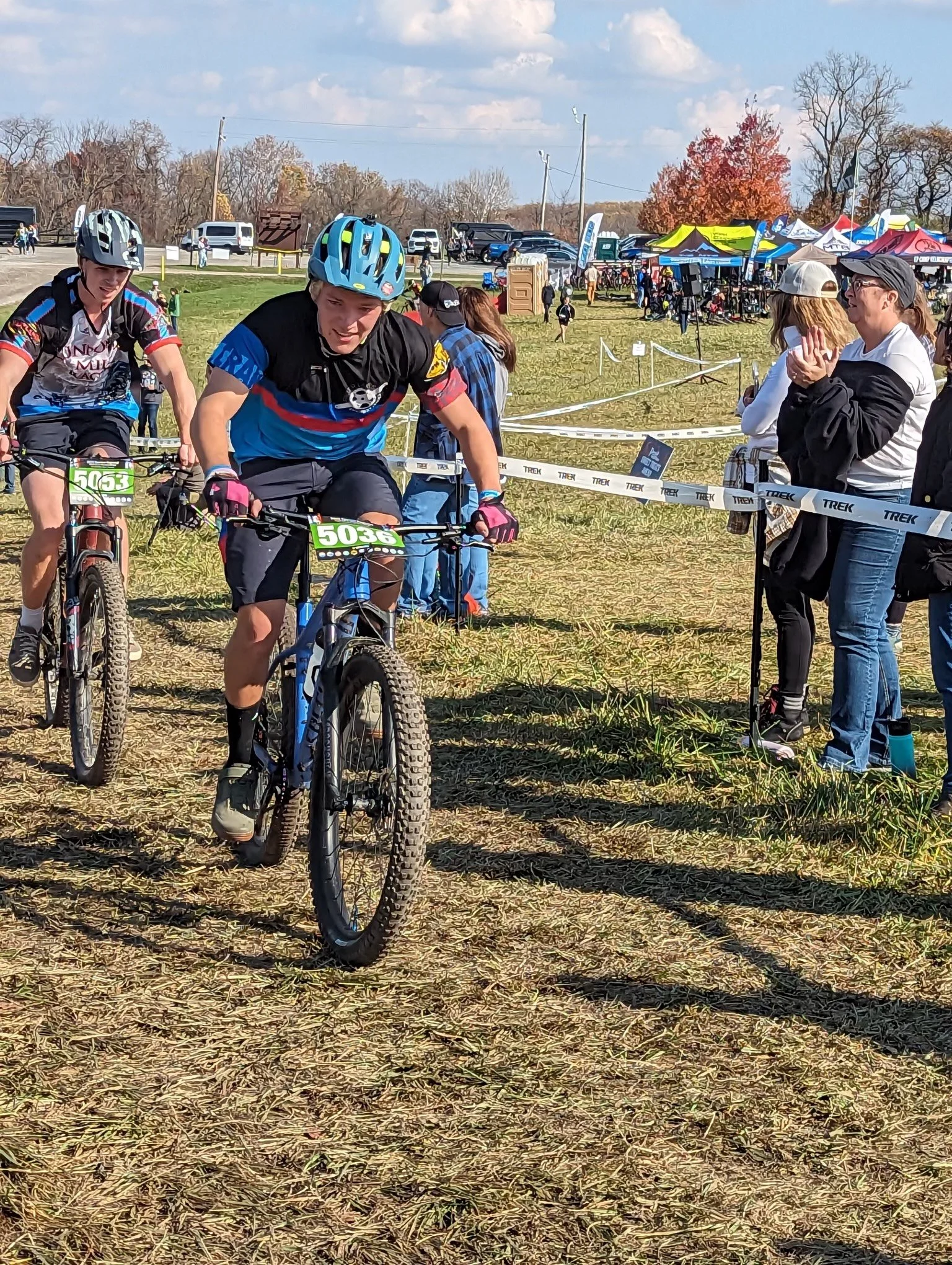
In Waldorf child development philosophy, we consider childhood as 3 stages of seven years each. In each stage, a child’s intellect, social-emotional skills, and body are growing, but each of the 3 stages is characterized by one center in particular. During the first two stages of life, 0-14 years old, preschool, kindergarten, elementary, and middle school students learn best through their bodies and their feelings: farming and gardening lead to discussions about climate change, experiencing chemistry through cooking is fully engaging, and re-enacting the Silk Road as a lifesize board game is more memorable than reading a text book. By the third stage of childhood (ages 14-21, high school and college), the child is ready to learn primarily through her intellect: the brain can tackle more abstract ideas, analyze at a higher level, and gain and retain information without the aid of a creative, project-based context. At Ithaca Waldorf School, we provide the educational foundation that children ages 0-14 are built for, so that they are supremely prepared (and excited!) for the next stage of intellectual rigor, which the American public high school system does very well!
By the end of an 8-year journey at Ithaca Waldorf School, our students have covered all of the curriculum that New York State requires, plus they’ve studied Shakespeare, organic chemistry, Euclidean geometry, and played a string instrument for at least 6 years. They have taken advanced New York State exams in Algebra, Earth Science, and Spanish. They have learned to plan and complete homework assignments on time (including a year-long independent capstone research project). They have worked closely with teachers to address challenges in the classroom, and they have built so much curiosity about the world around them that they often request additional assignments. Perhaps most importantly, they have built incredible resilience, personal character, and inner strength—which will carry them through in any environment.